
We went on an outing with the homeschool coop group. We went on the Spirit of 76, which was serving as the host for a group of marine biologists with “Marine Science Afloat,* who spent the day teaching the kids a surprising amount of information court the sea life that calls the Puget Sound home.
The group assembled on the dock at the marina on the Seattle waterfront. While traffic is notoriously bad in Seattle, most of us were able to get there early, and beat the majority of the rush.
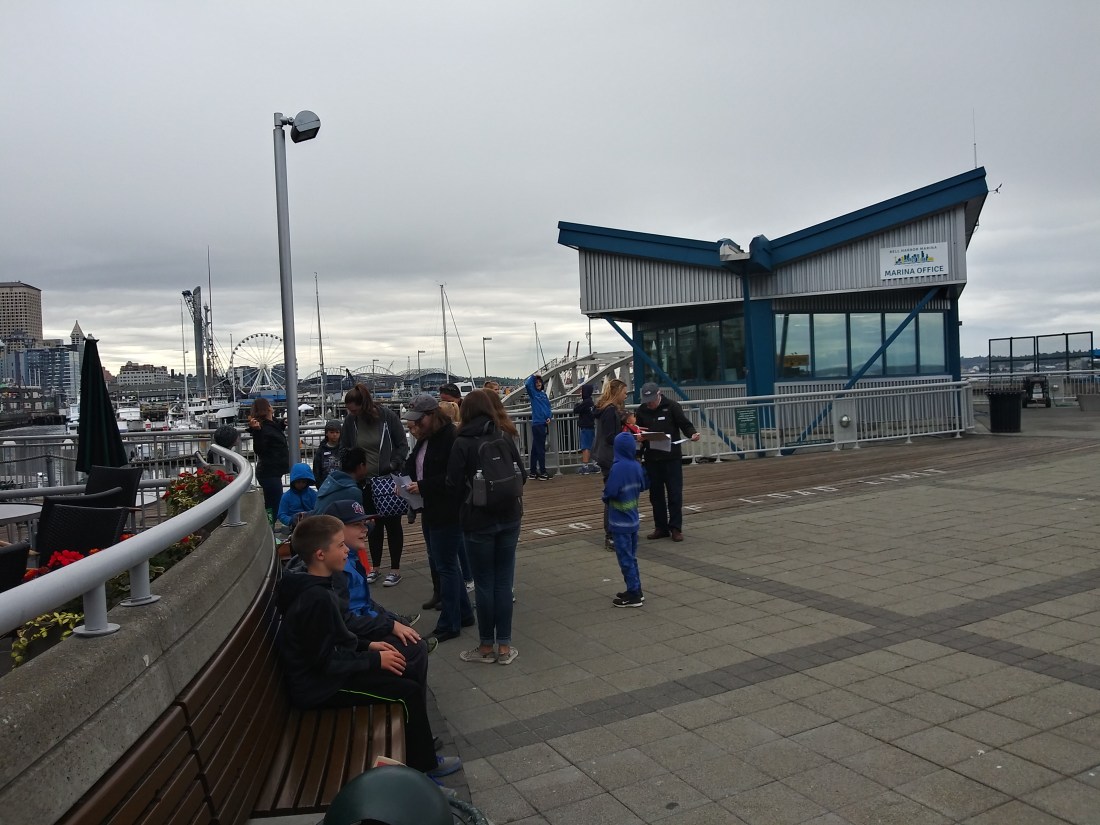
After makingsure we were ready, we made our way to the vessel that would be our schoolhouse for the day.
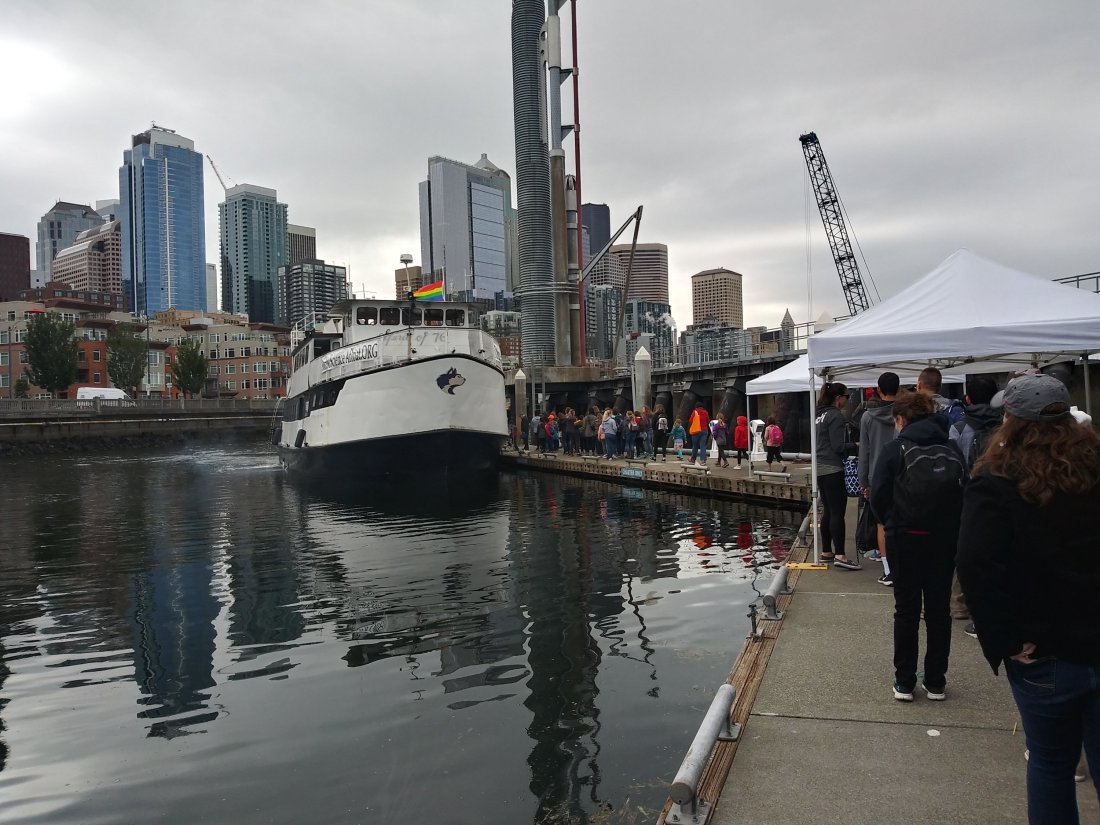
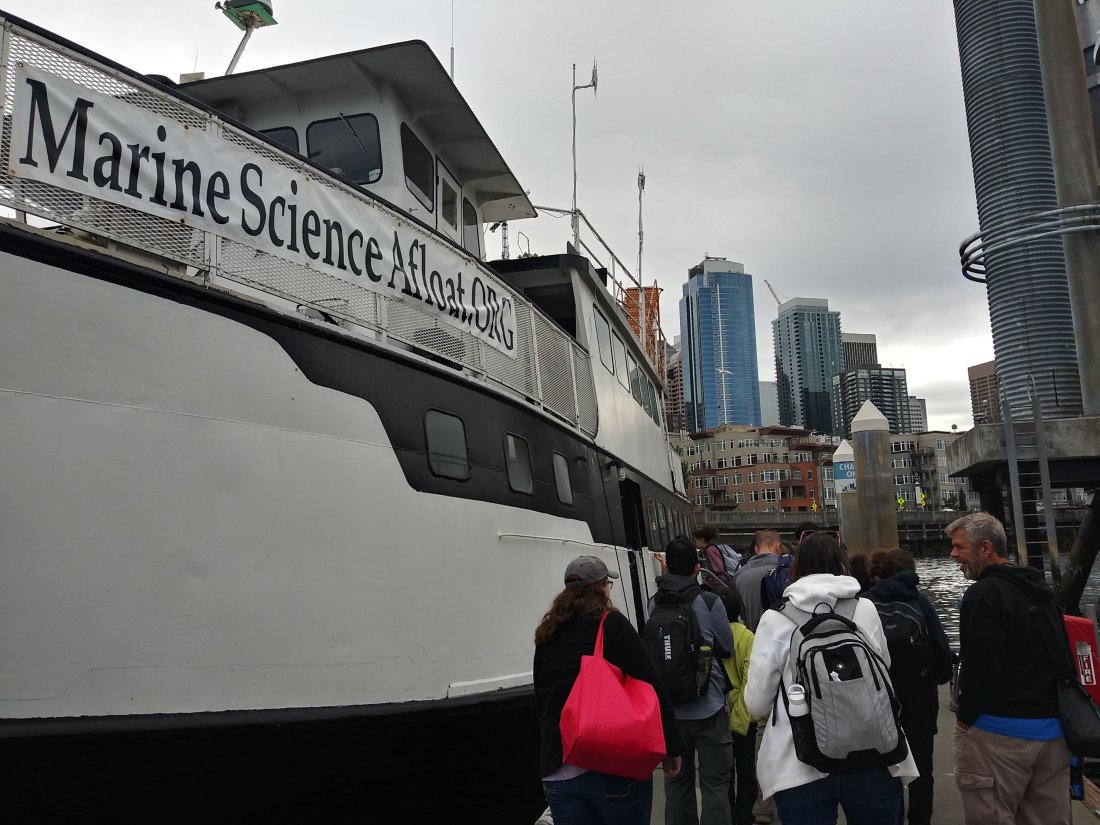
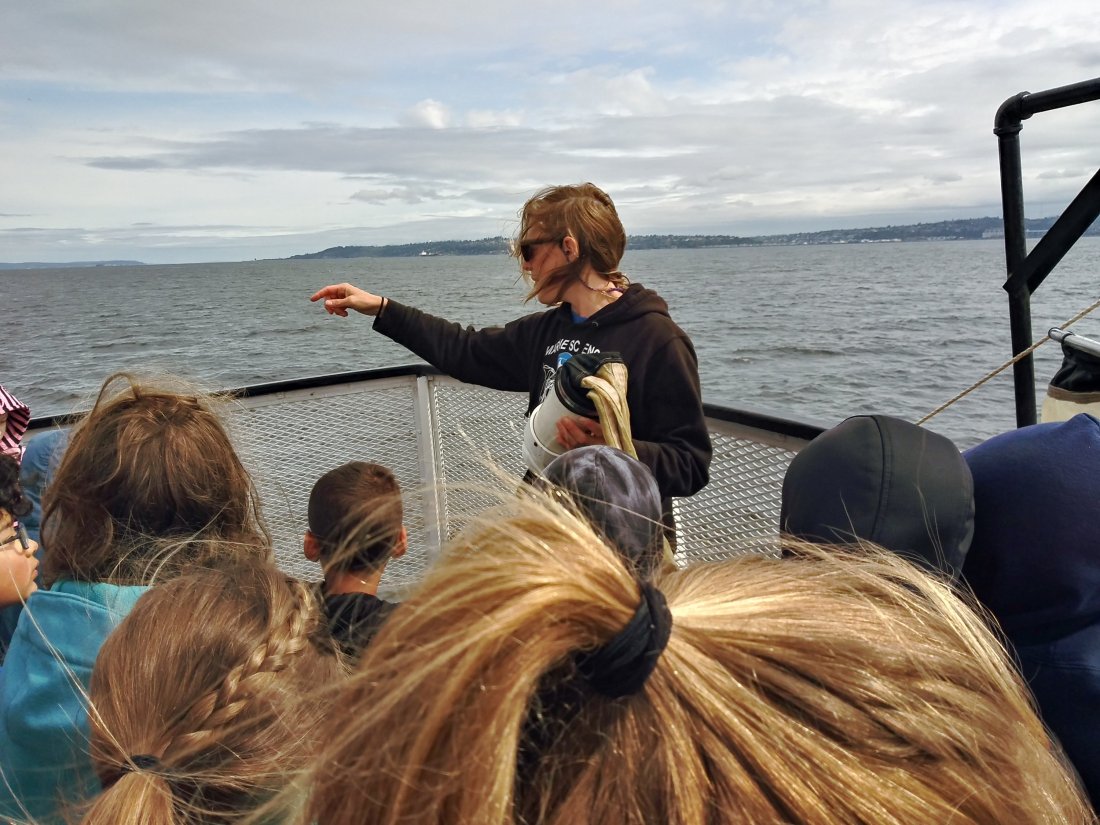
Once aboard, we were introduced to the scientists and were given fairly detailed safety briefing, and then we got underway.
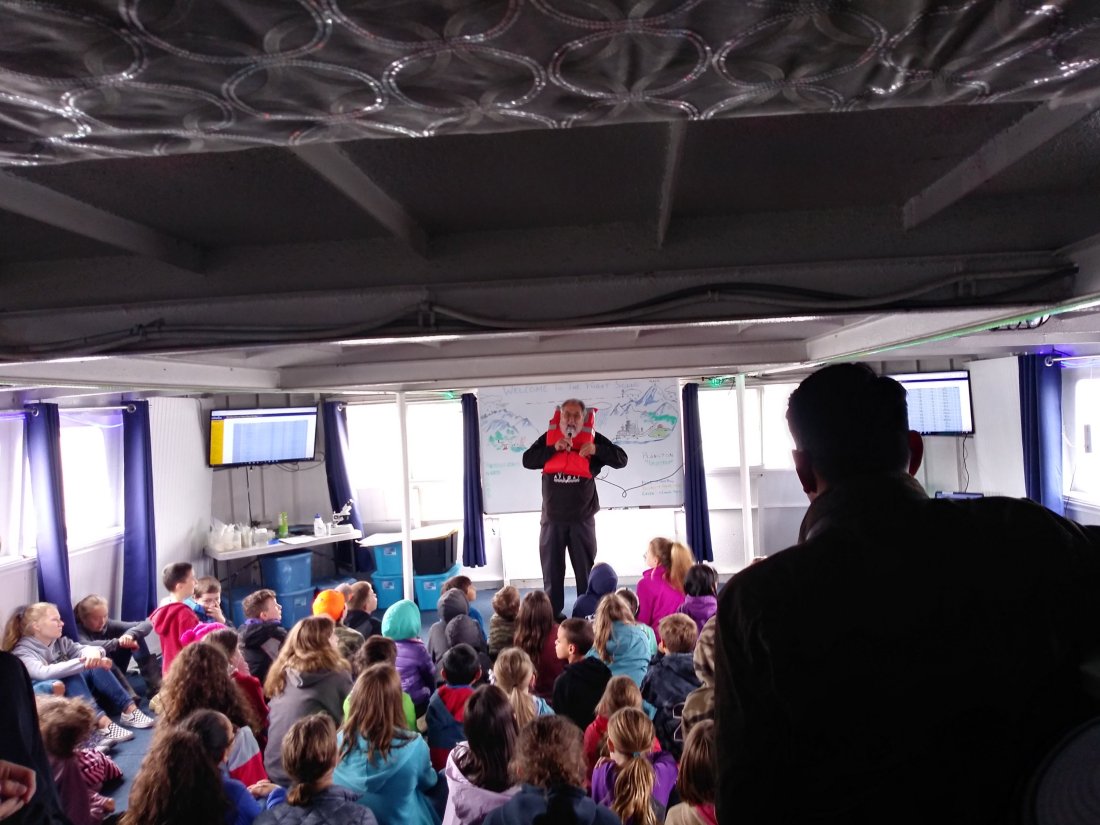
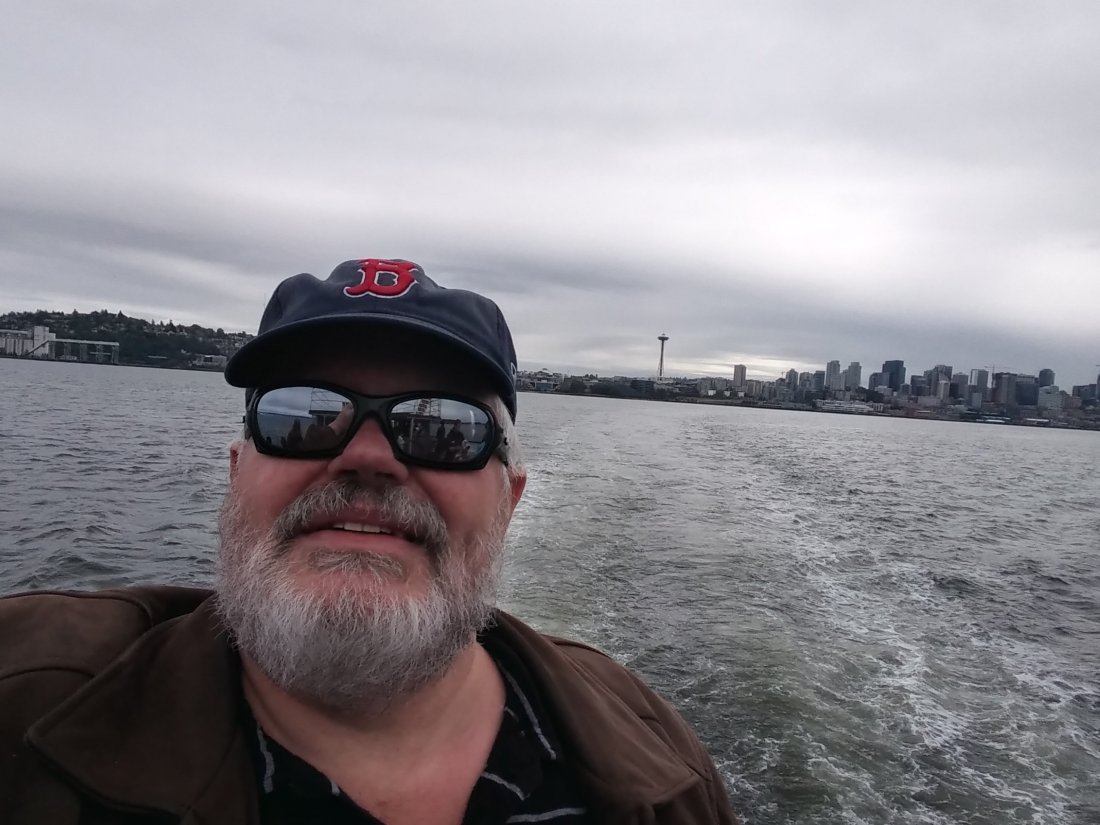
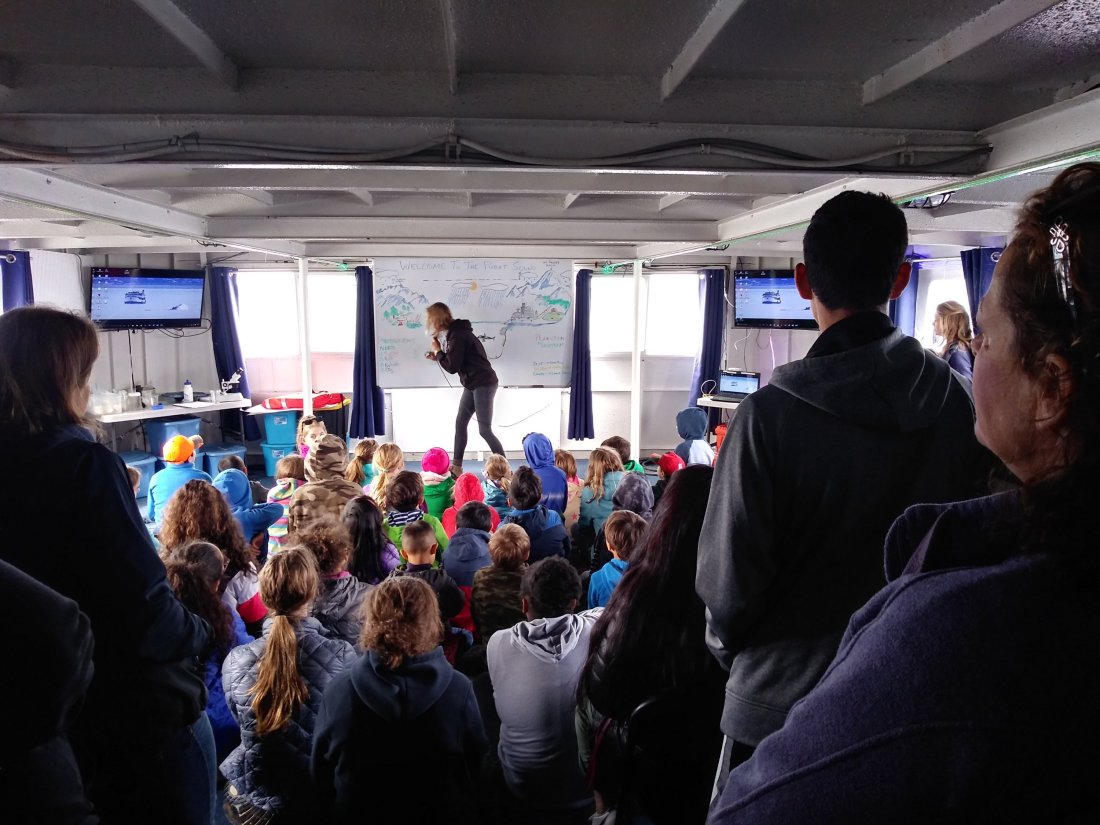
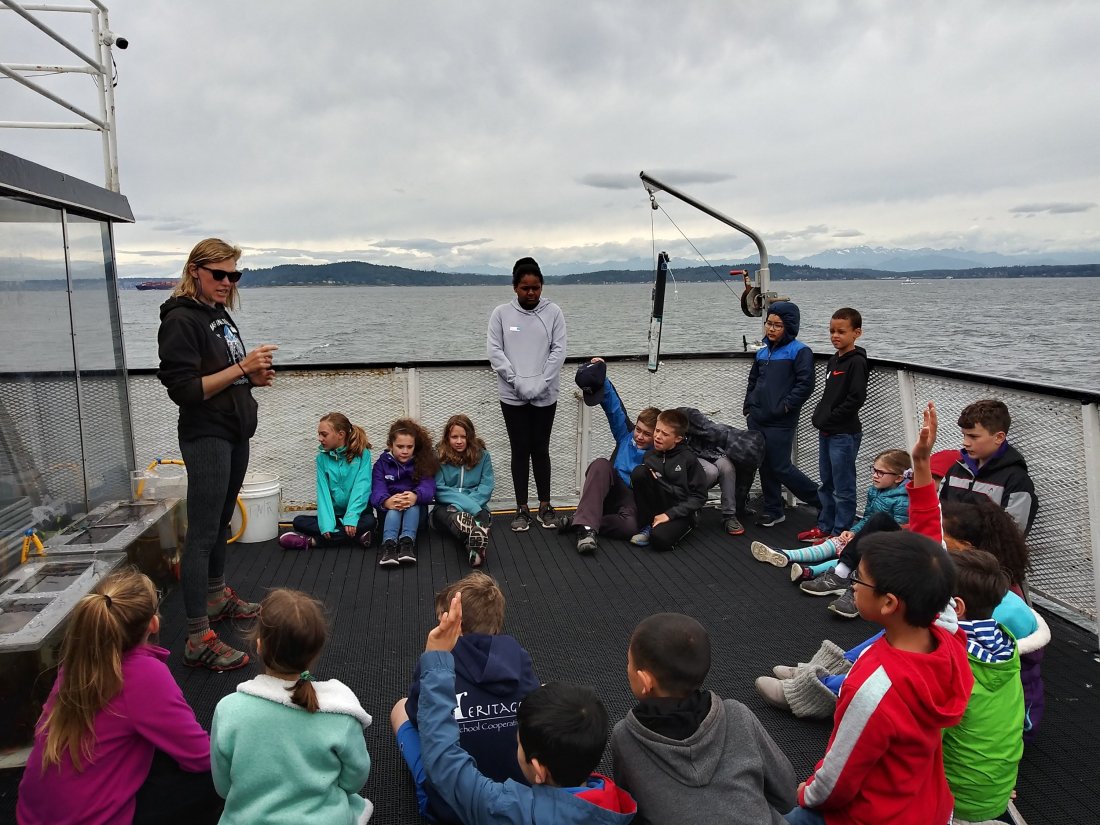
While the the ship headed out into the sound, the students were given a very good overview of the geology and the biological importance of the Puget Sound watershed. More than 10,000 rivers and streams dump into the Puget Sound, providing a nutrient-rich environment that supports a wide variety of sea life. The Sound is home to the largest species of octopus in the Pacific, and animals ranging from Krill to Orcas call the waters of the Sound home.
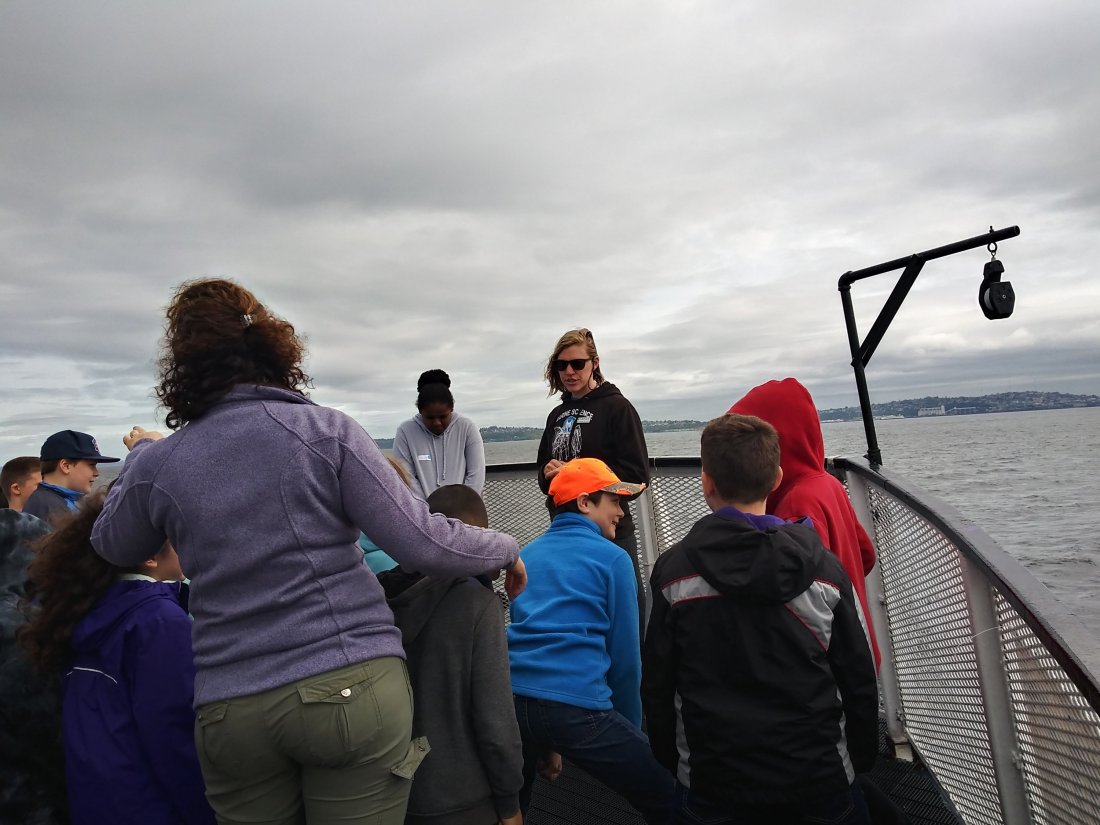
Once we were on station, the students were broken into groups, and the more hands-on teaching began. The students collected two samples of plankton, which were used in later studies.
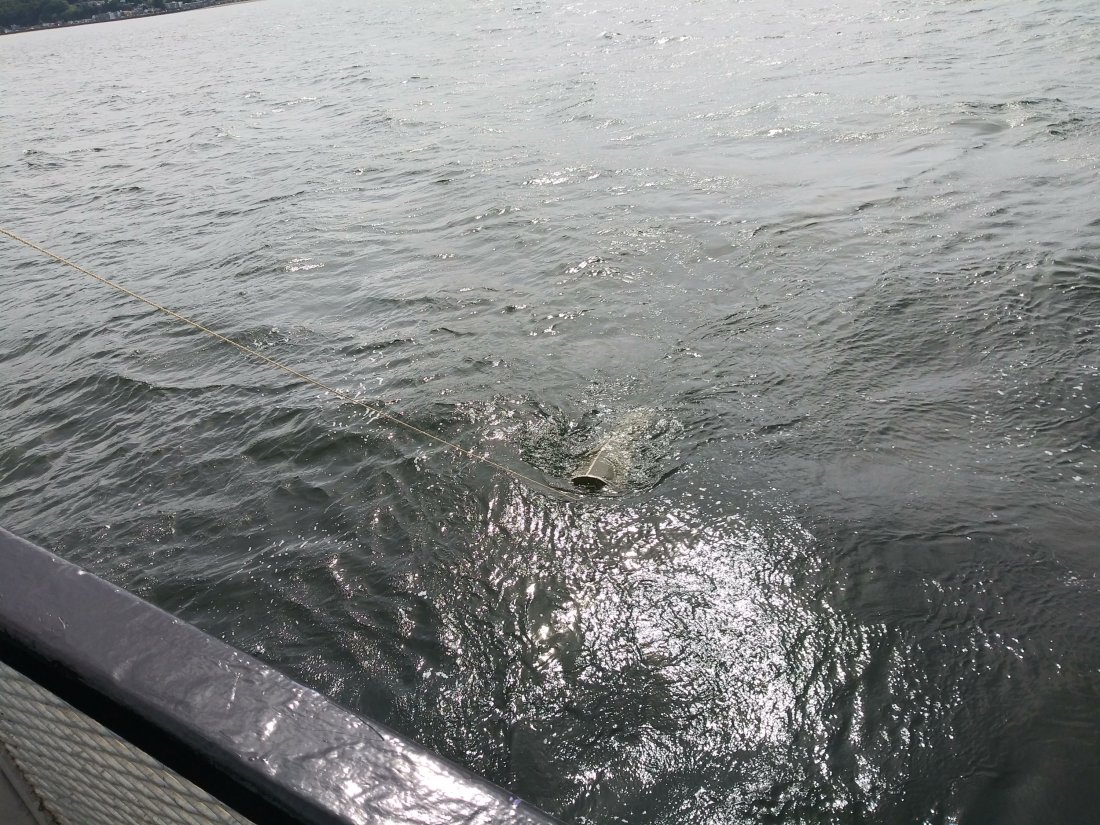
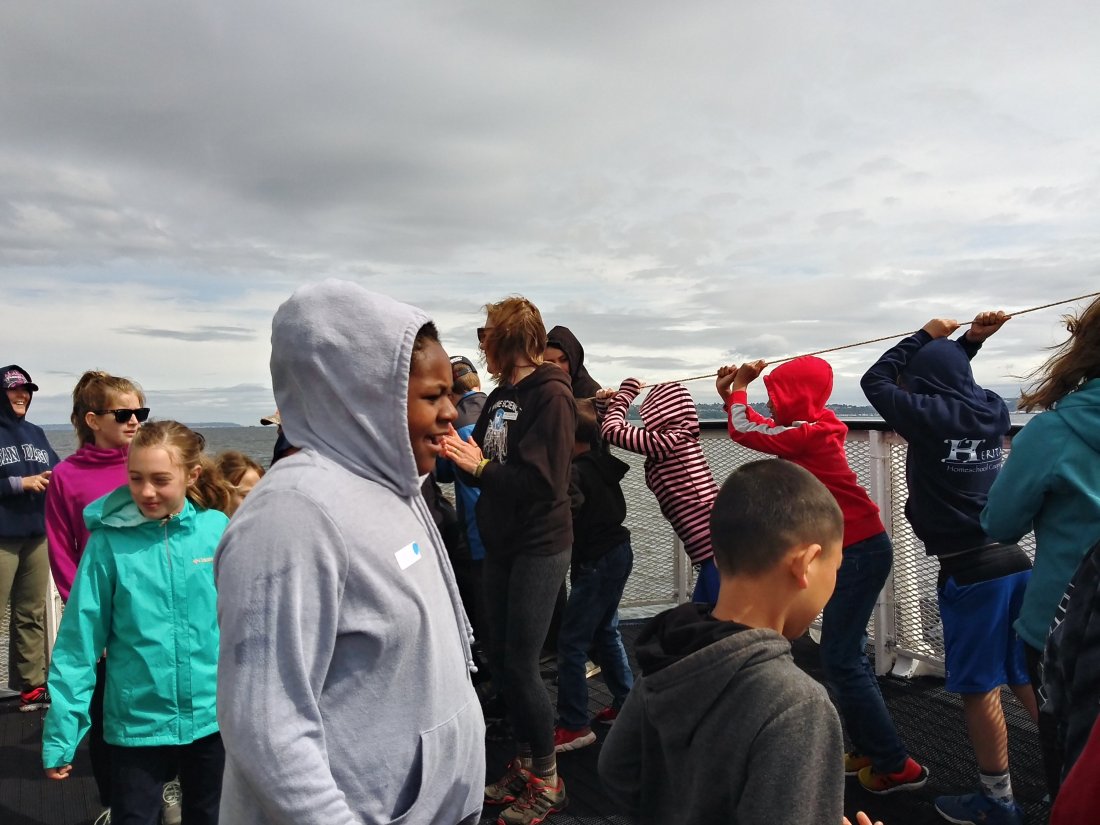
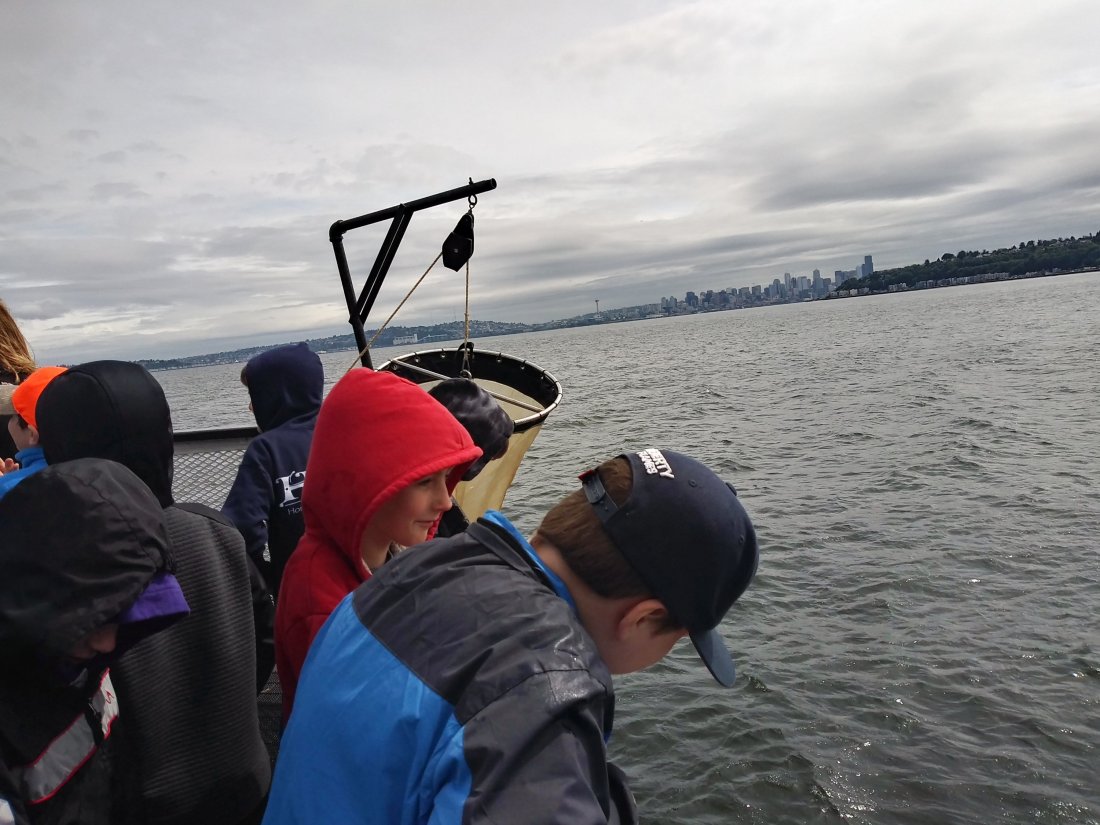
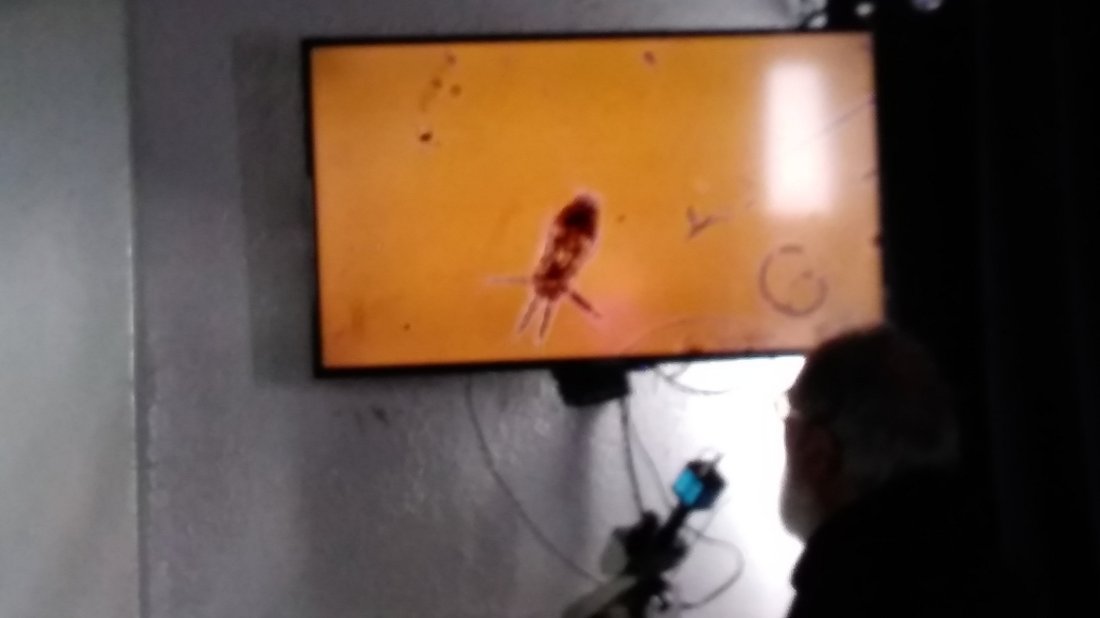
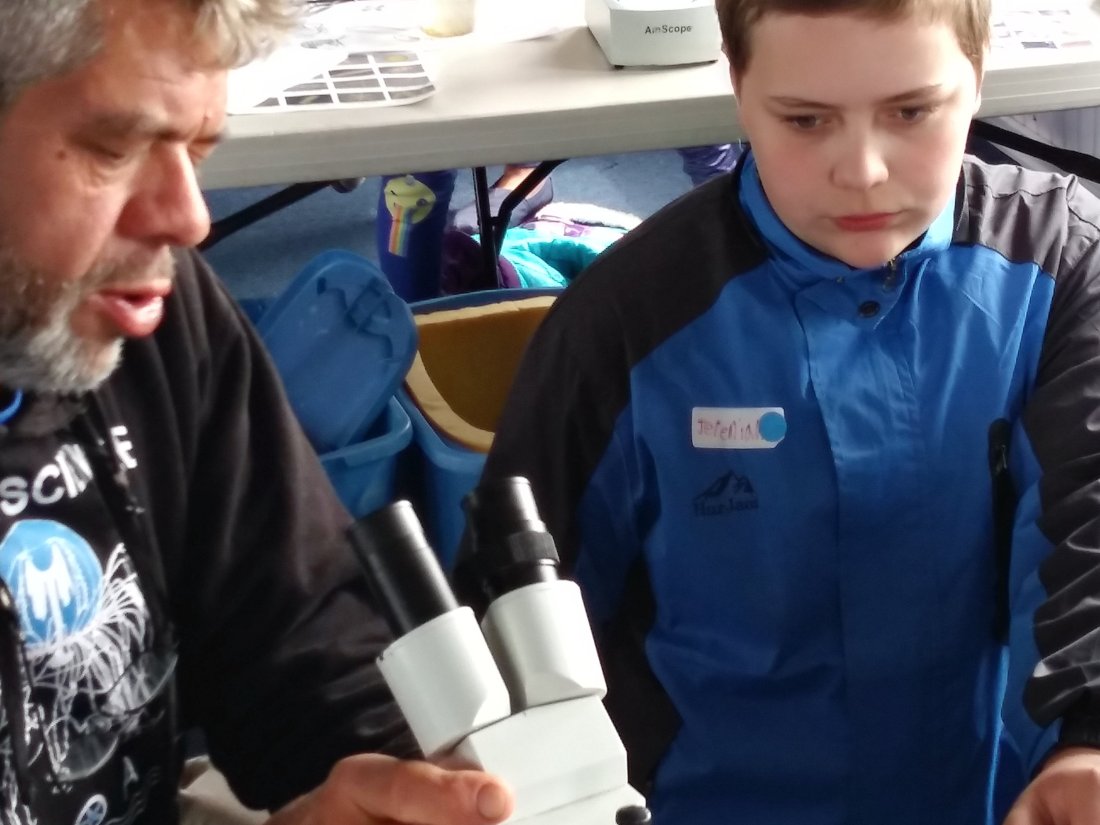
Once the samples were collected, the fun began. One of the biologists used a microscope hooked to a CCD explained the critters in the samples. he was pretty animated. A surprising assortment of copepods, young larval crabs, corals, and barnacles, even krill and shrimp, as well as assorted plants were shown to the students.
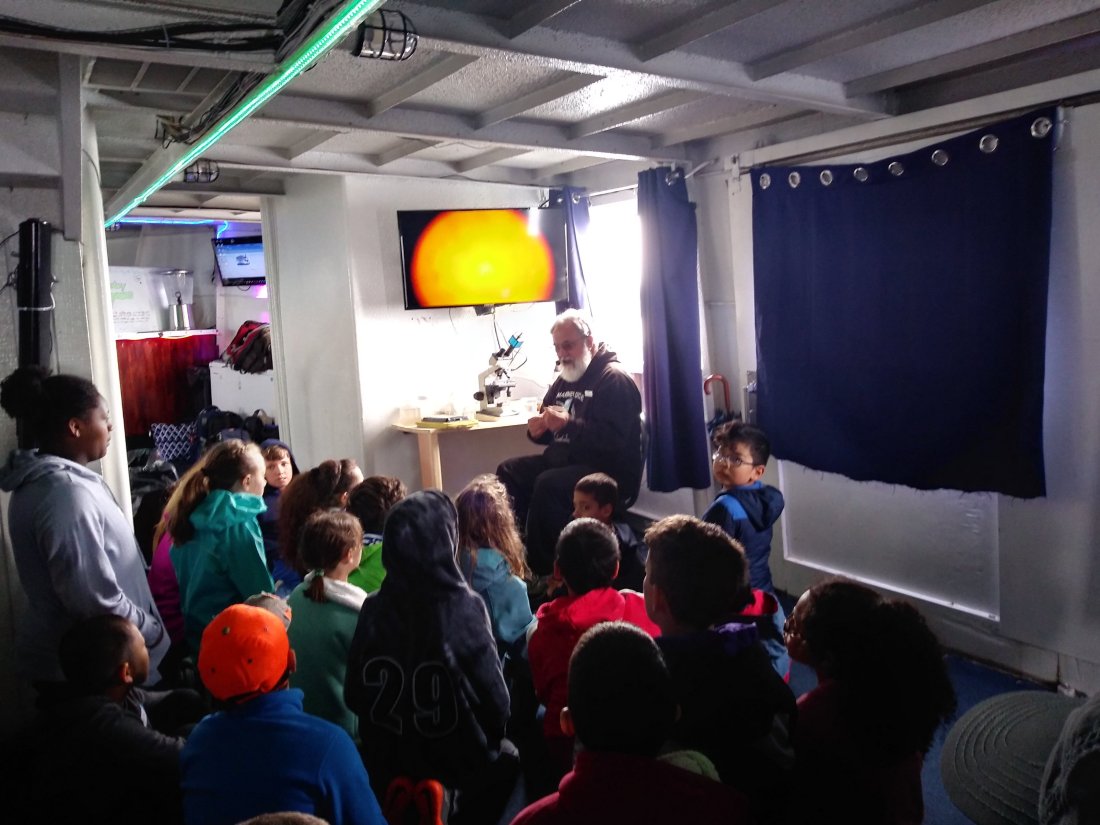
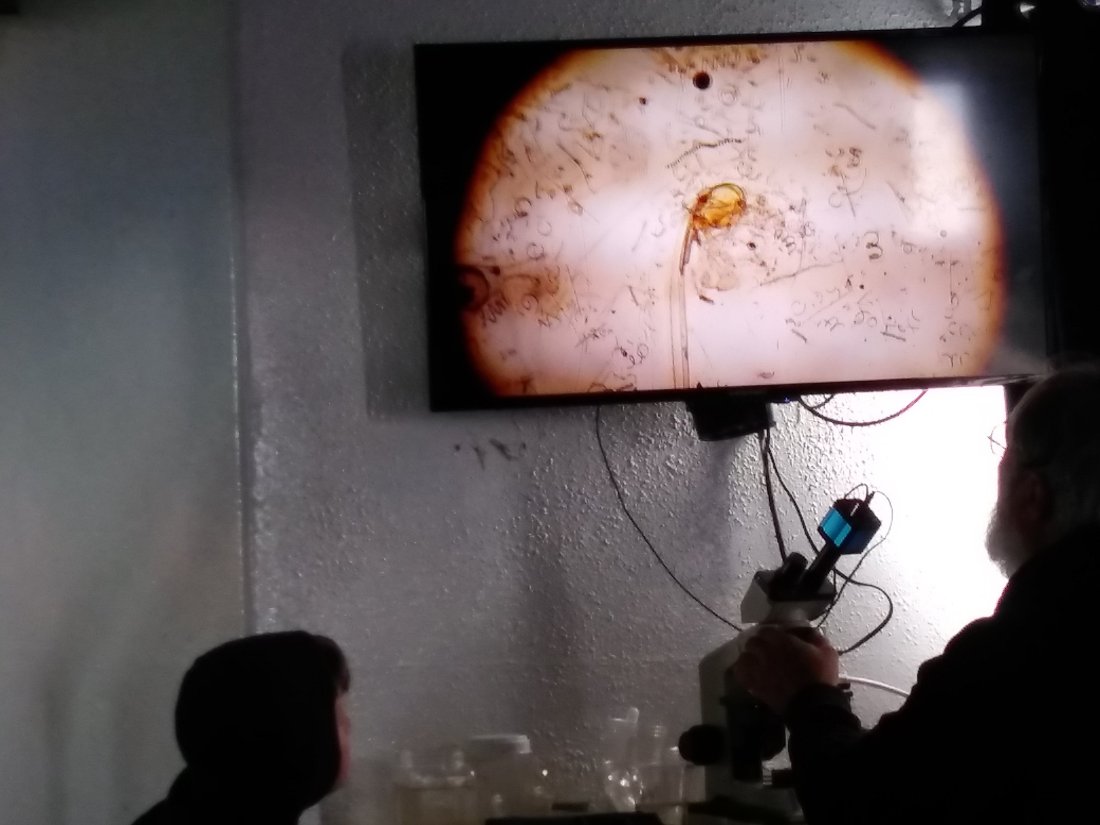
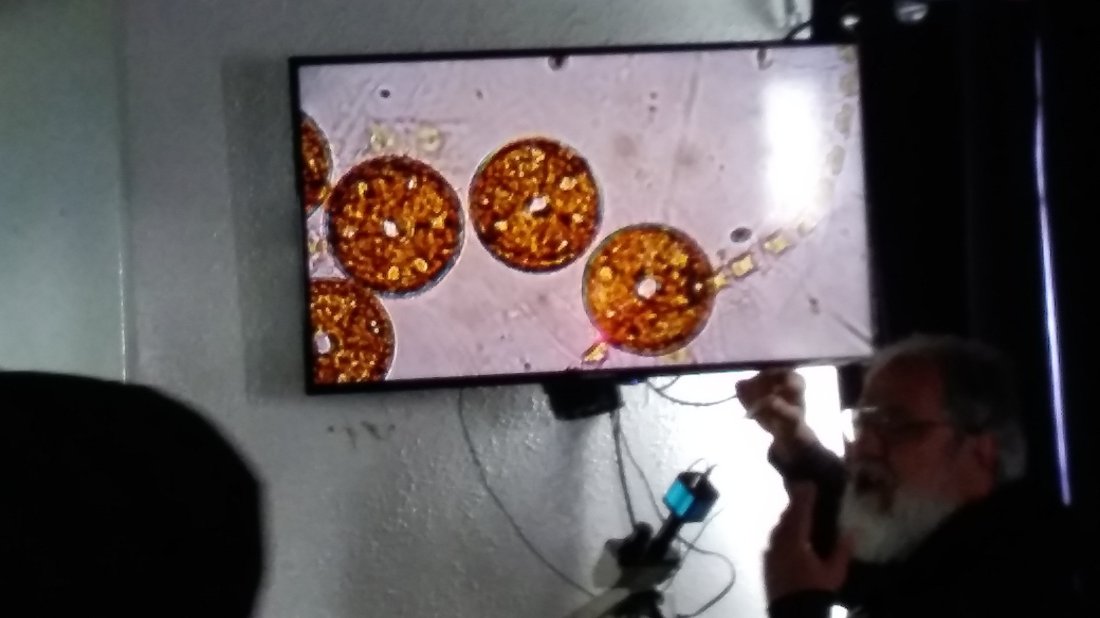

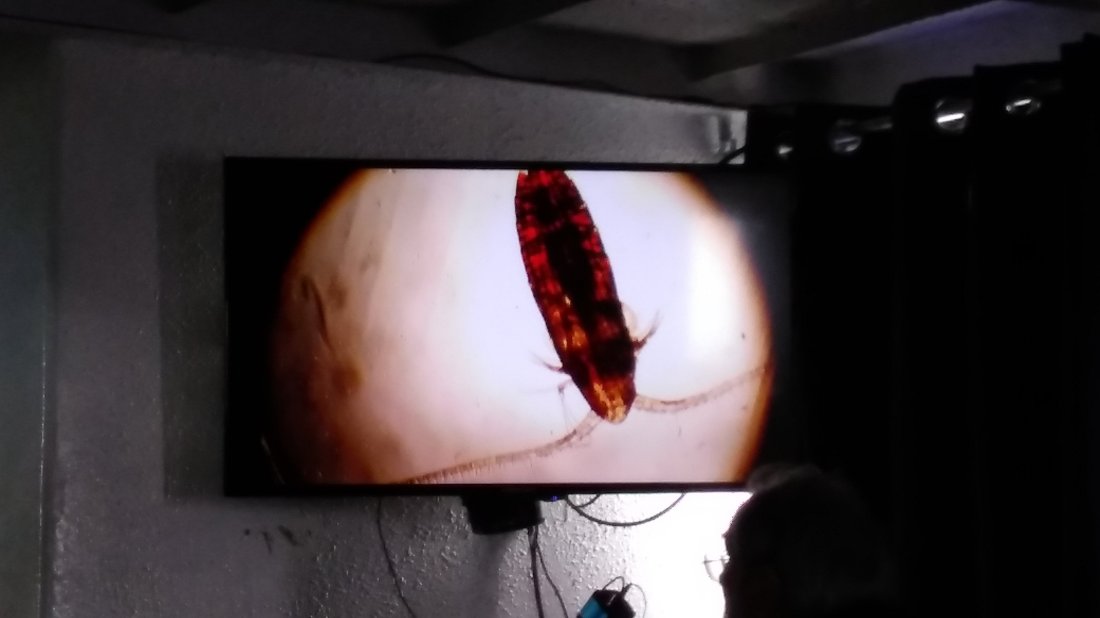
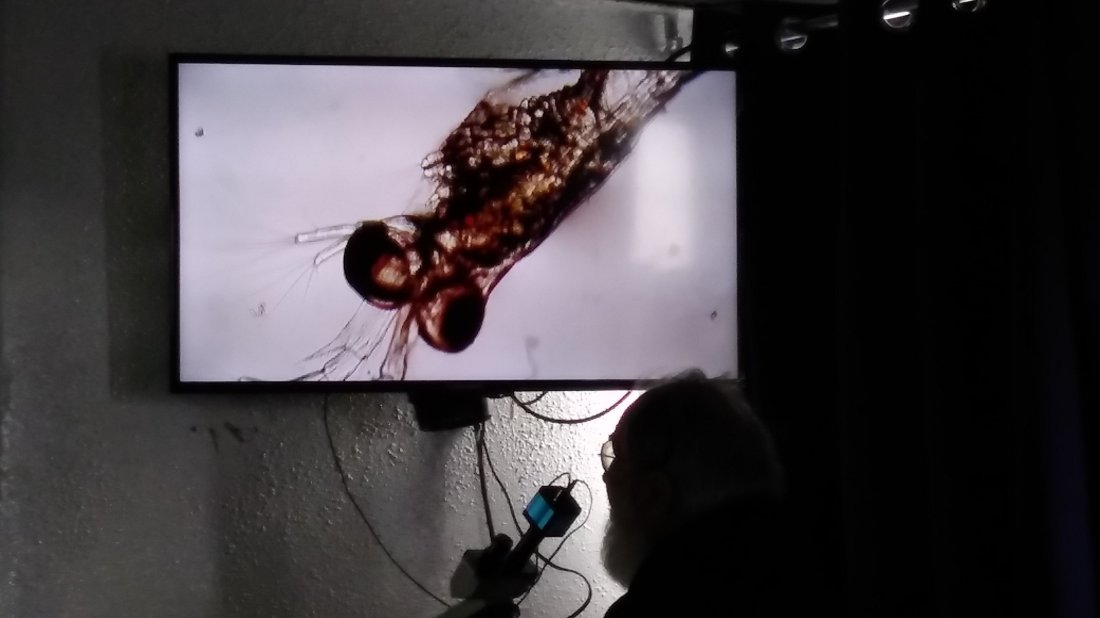
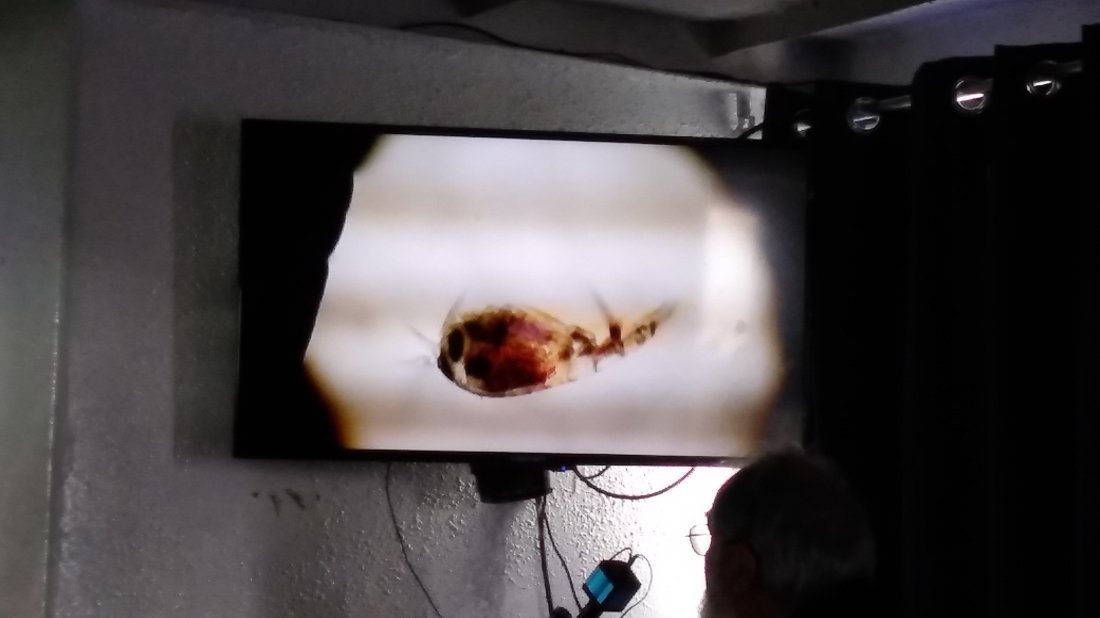
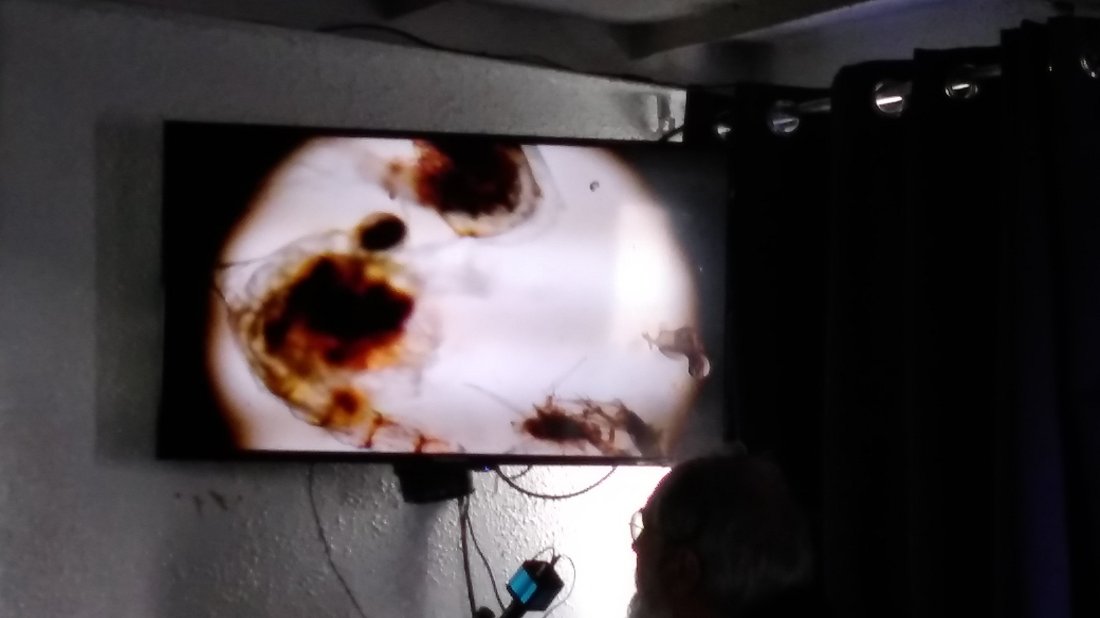
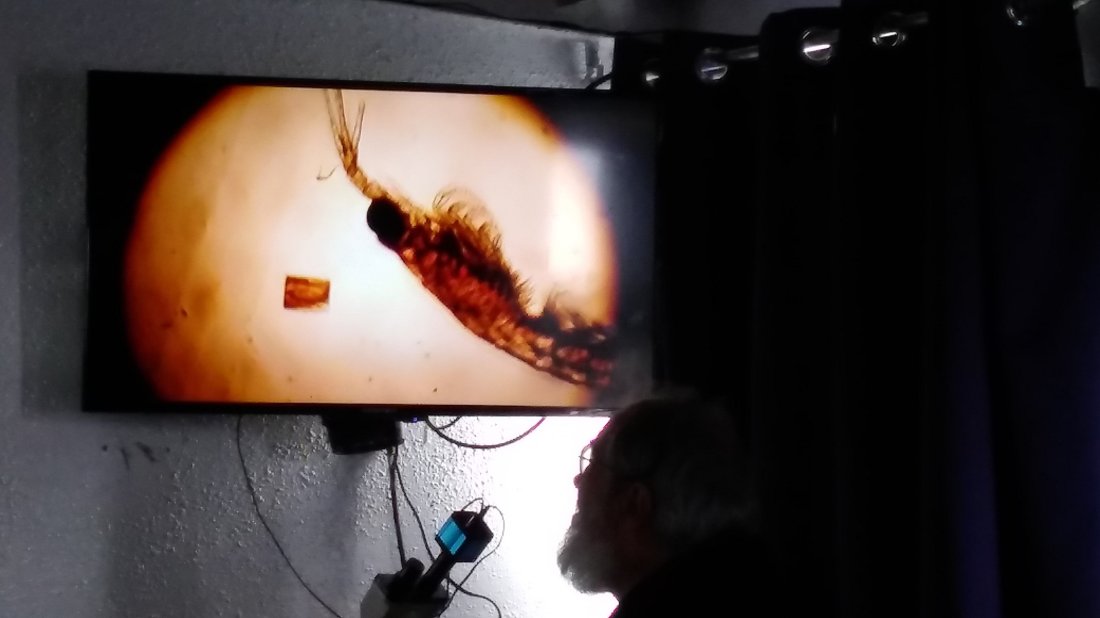
It was pretty fascinating. The scientist going through the samples was quite animated, and seemed to really enjoy seeing all the critters, which made it quite fun.
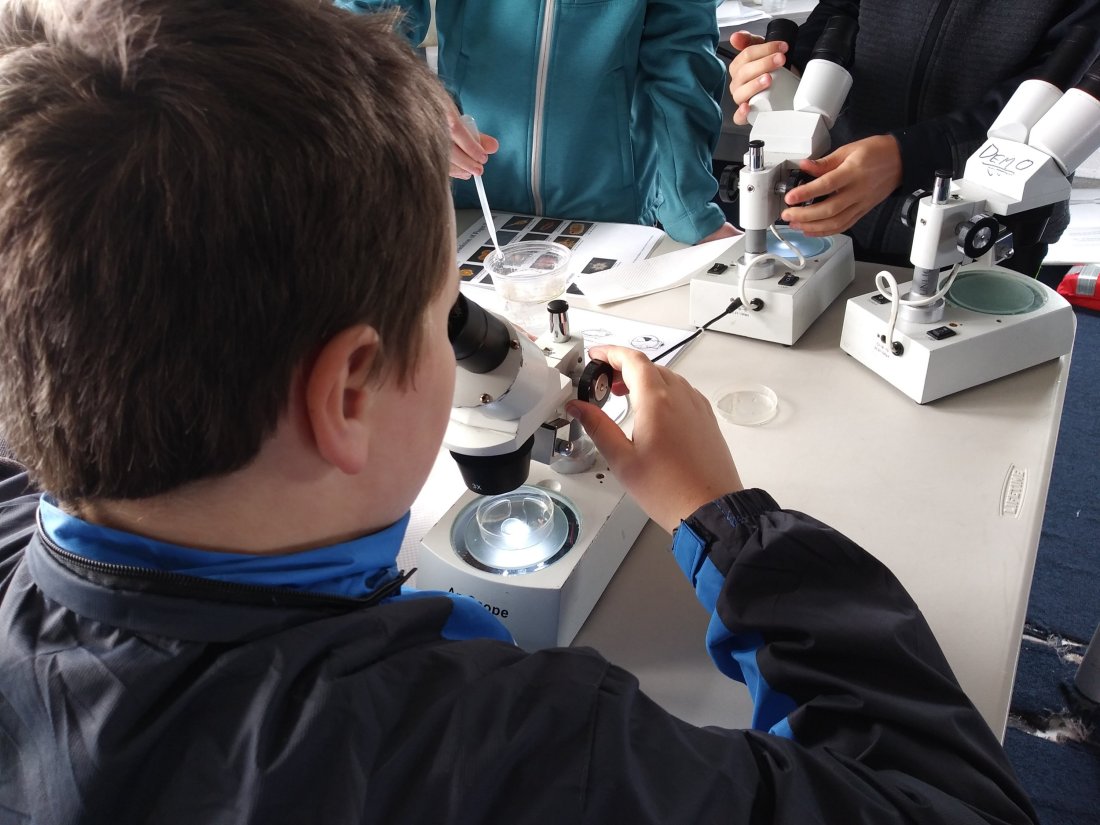
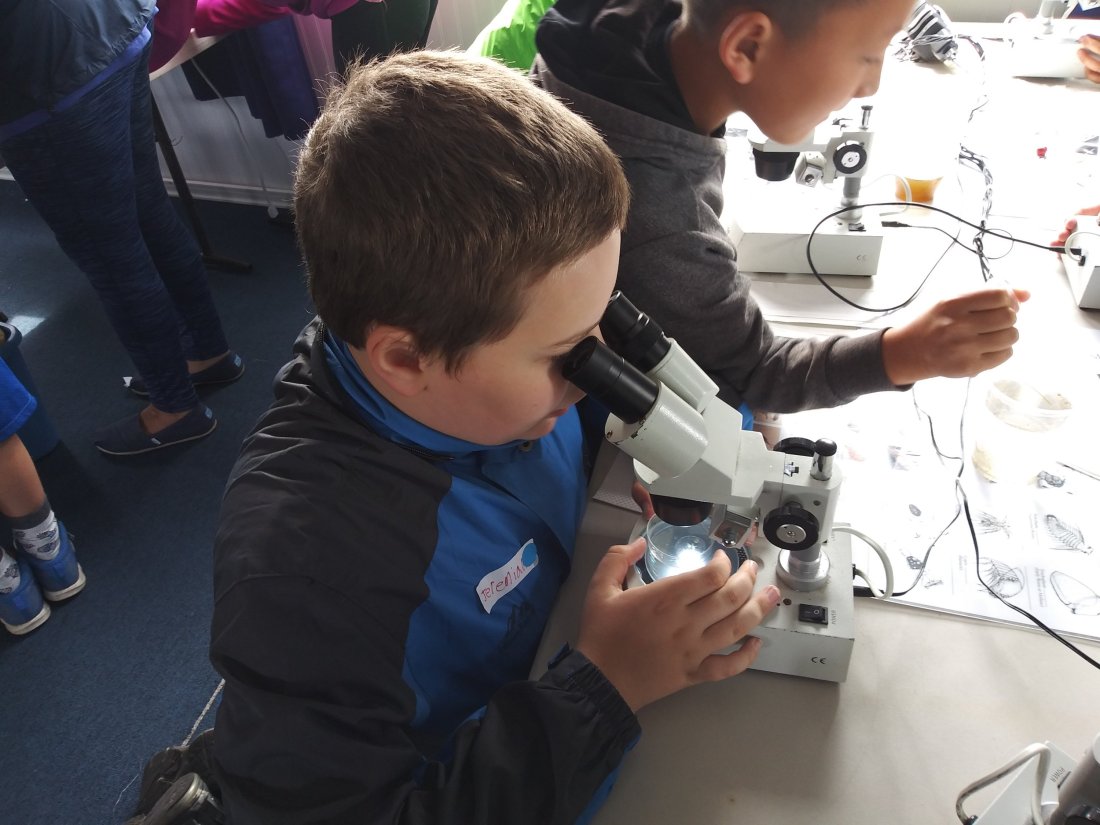
Once they knew what they were looking for, the students looked at the samples directly using microscopes.

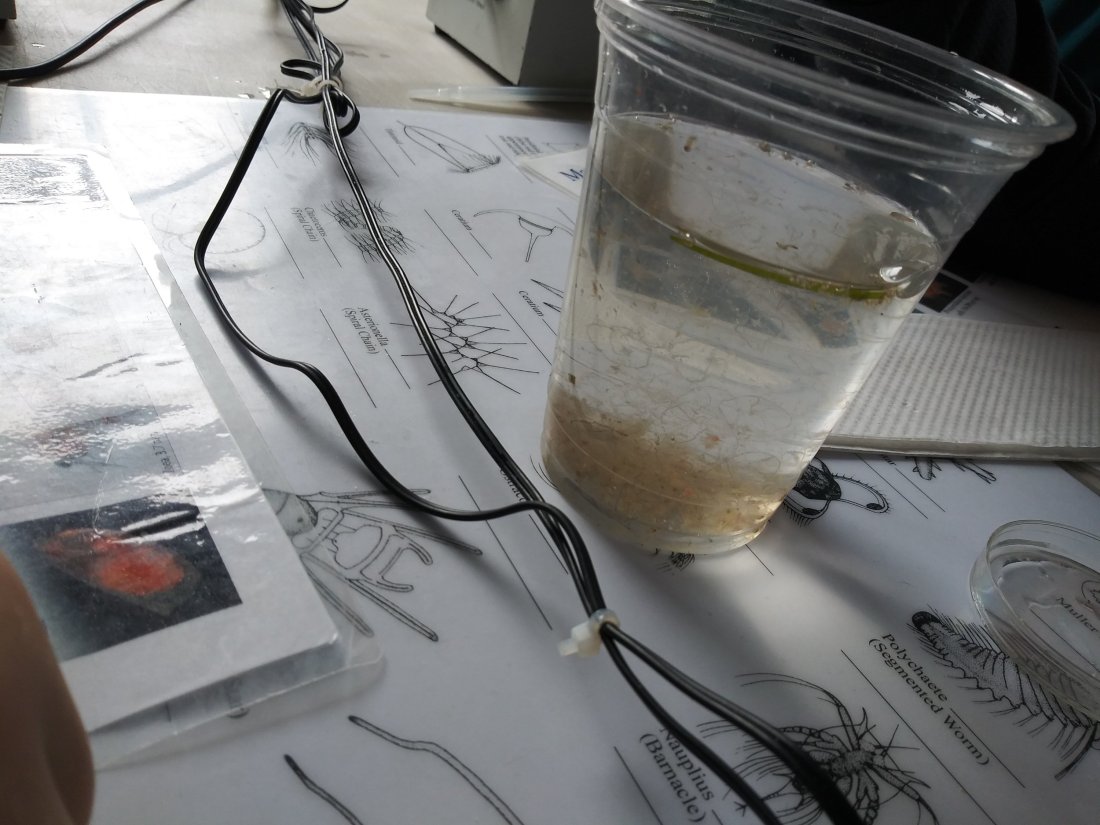
They identified the items in their samples, and checked them against charts that they had on the tables.
.
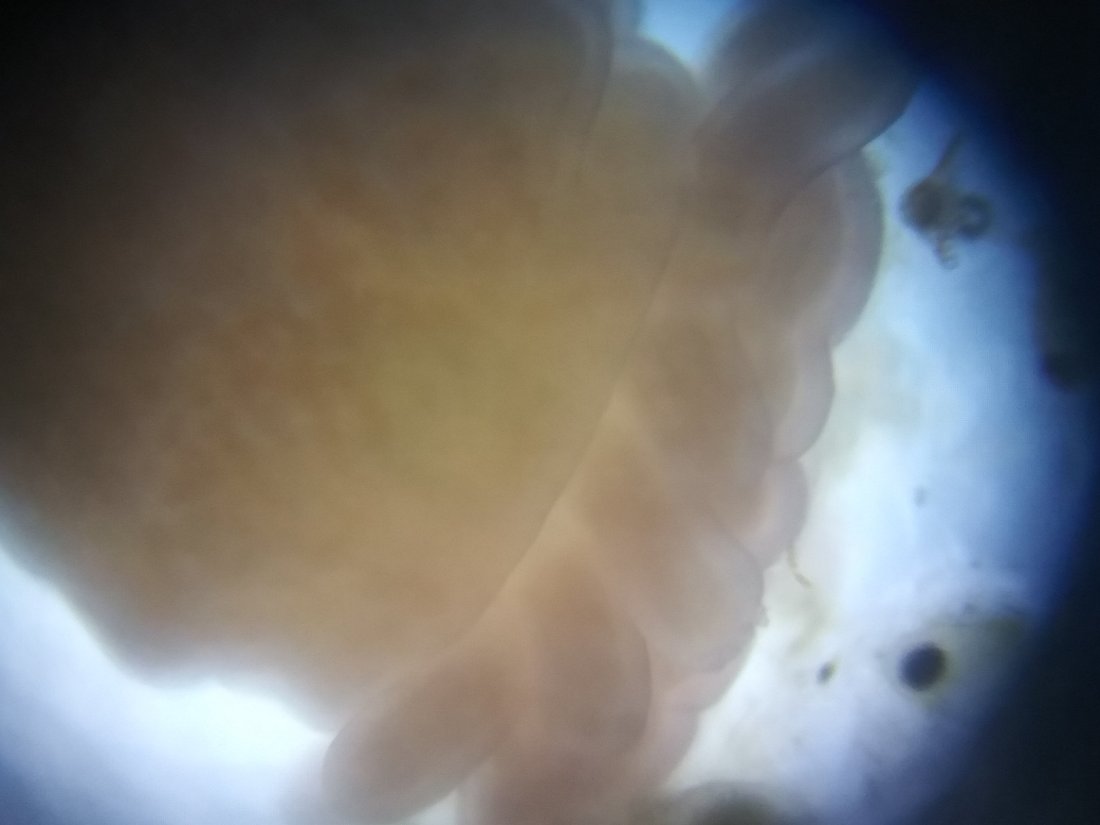
This is an egg that was set adrift in order to spread the species around.
The little guy found an orange colored critter that wasn’t on the charts. The marine biologist took a look, and said that he’d seen one the day before, but didn’t know what it was either.
.One of the classes dealt with the interconnectivity of the animals in the food chain, and how animals and plants found and maintained a balance with each other. We were also given some seaweed to eat. =]
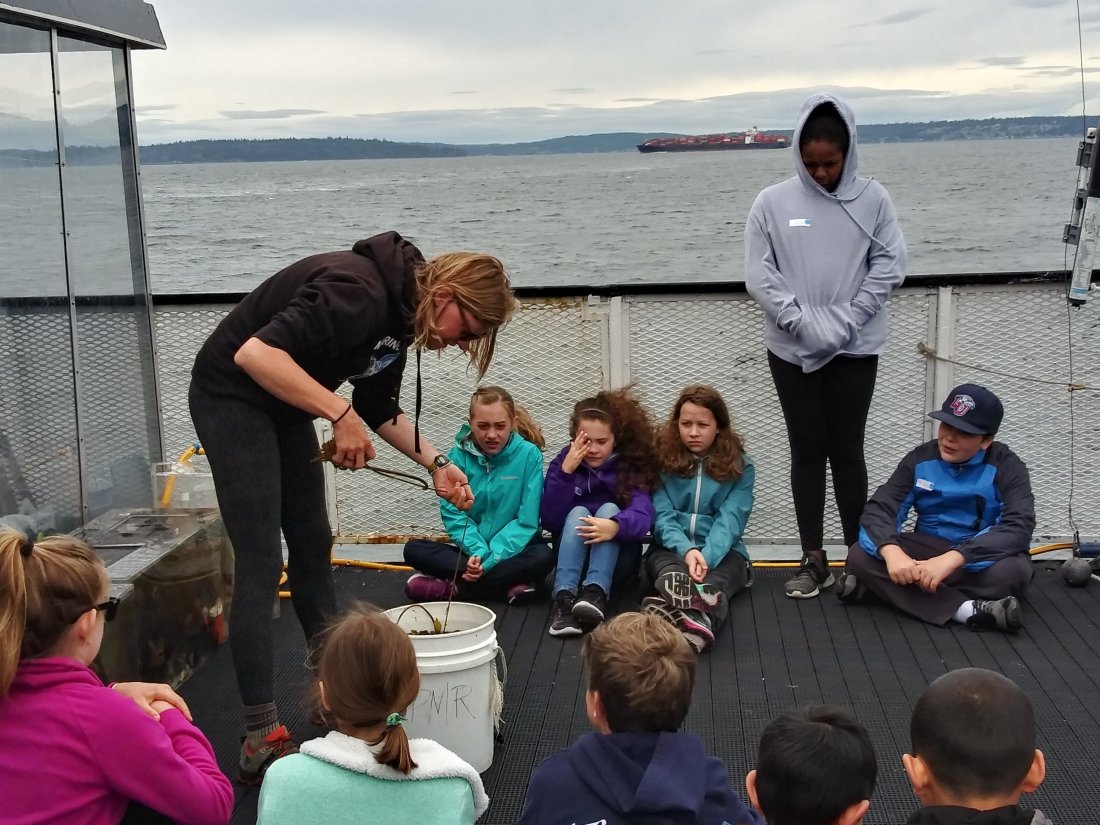
For the critters too delicate to be handled by the students, they carefully showed the students. It was pretty fascinating.
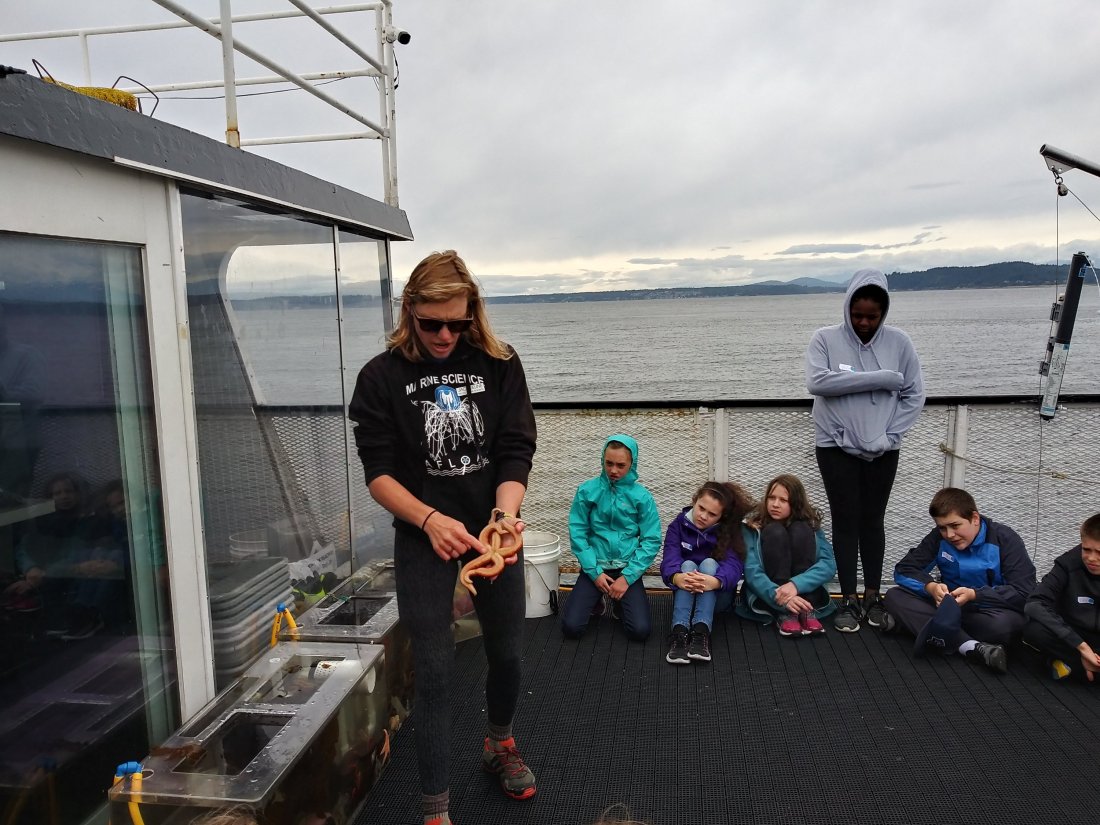
.At one point during the day, a remote camera was sent down, and one of the biologists, who was VERY excited by what came up on the viewscreen, explained what we were looking at. It was surprising how much was down there in such a small area!
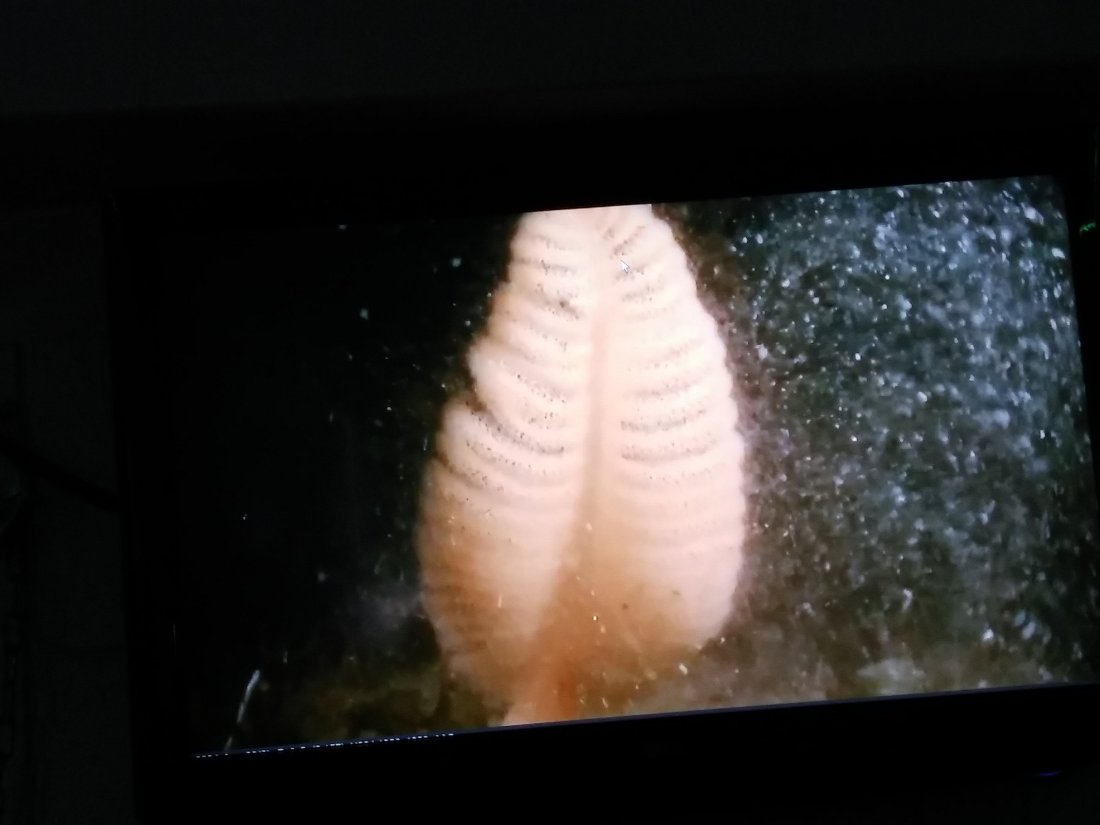
The camera came down next to an interesting anemone that was essentially made up of smaller anemones. They got up close to it to show the details.
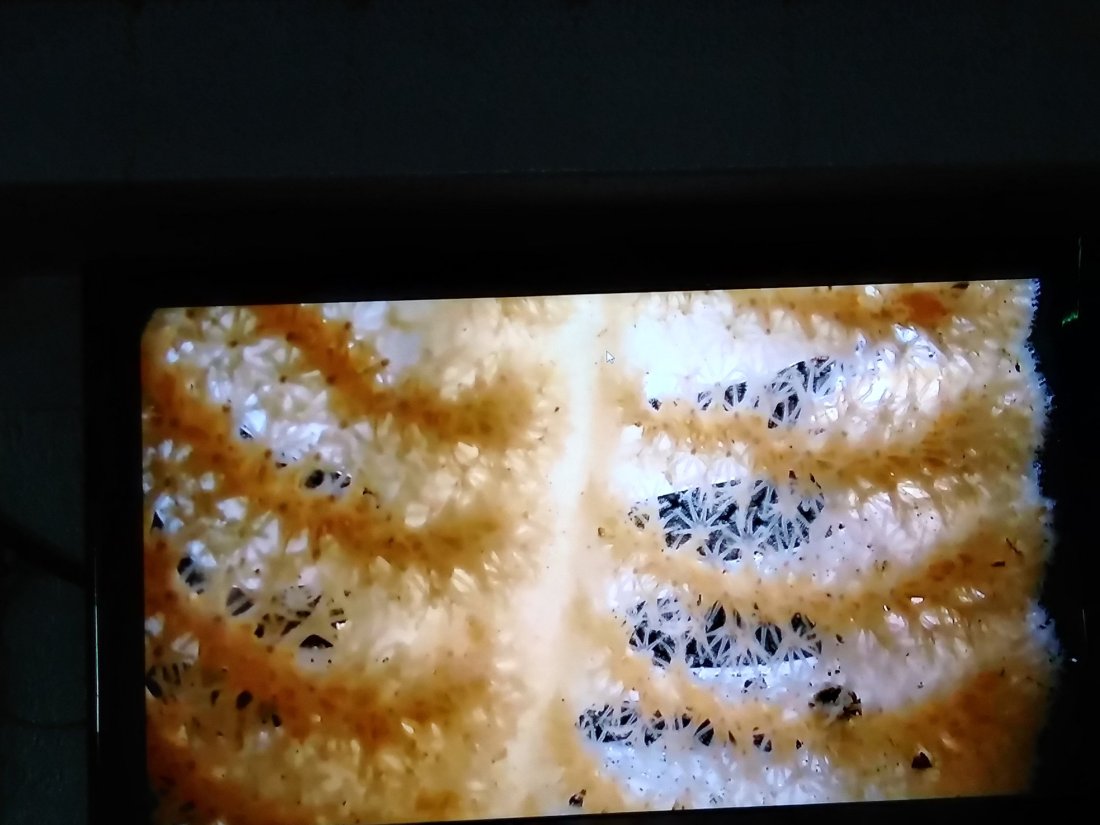
We stirred up a flounder, and there were an assortment of rock fish, crabs, snails, and other small animals.
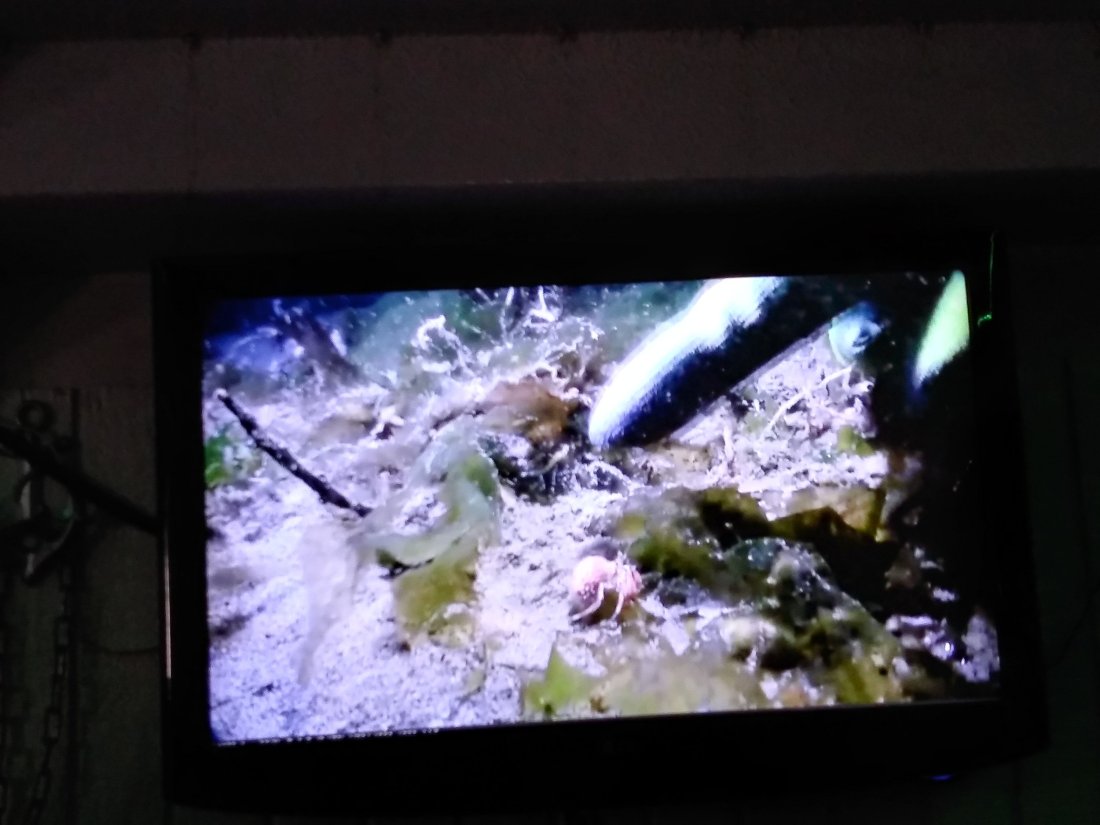
We even found a pod of young skates, known as a “mermaid’s handbag.” It held them in safety until they were able to break out and live on their own. A skate is similar to a ray, at least in general shape and appearance. I had no idea that skates were in the Sound.
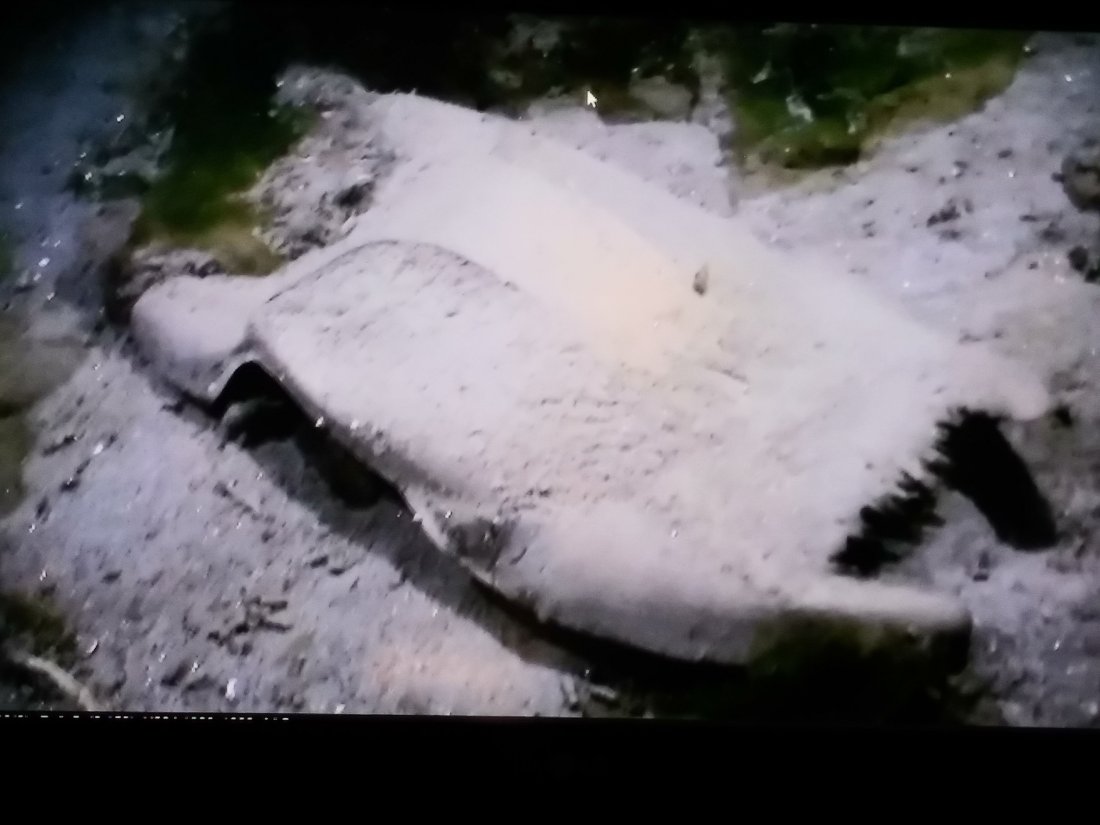
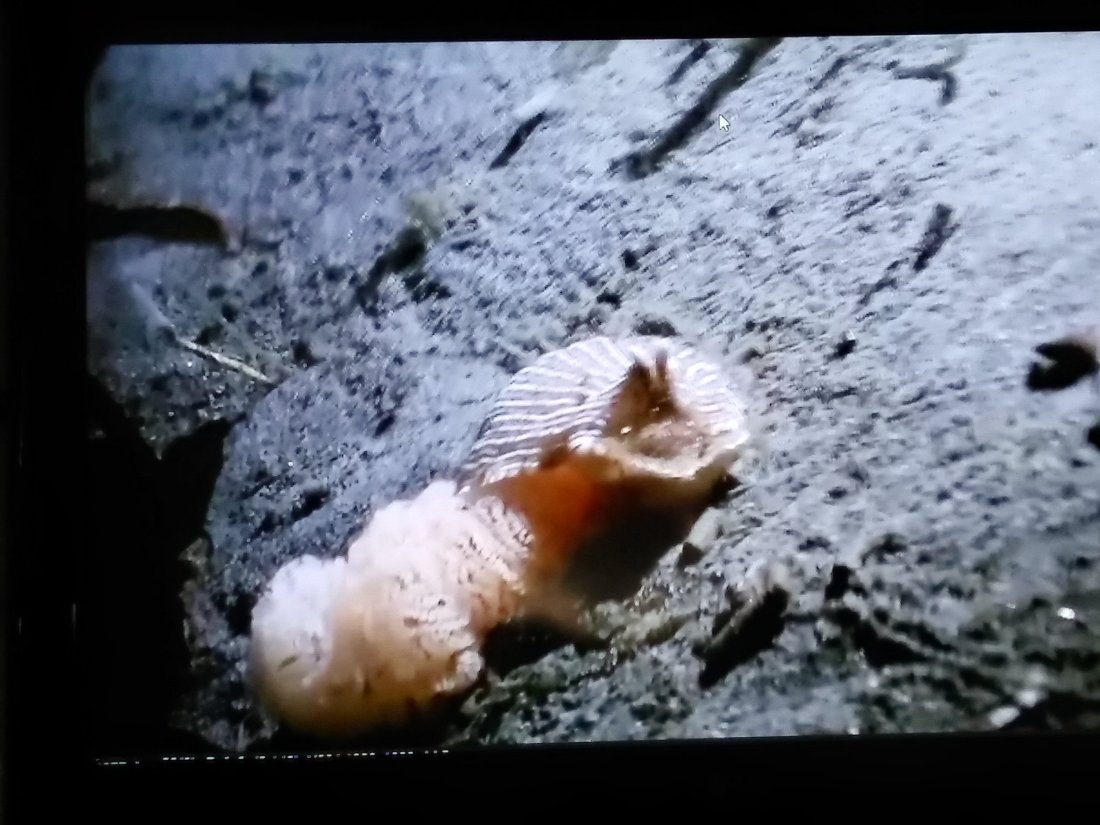
We found a group of sea slugs laying eggs in surprisingly large groups.
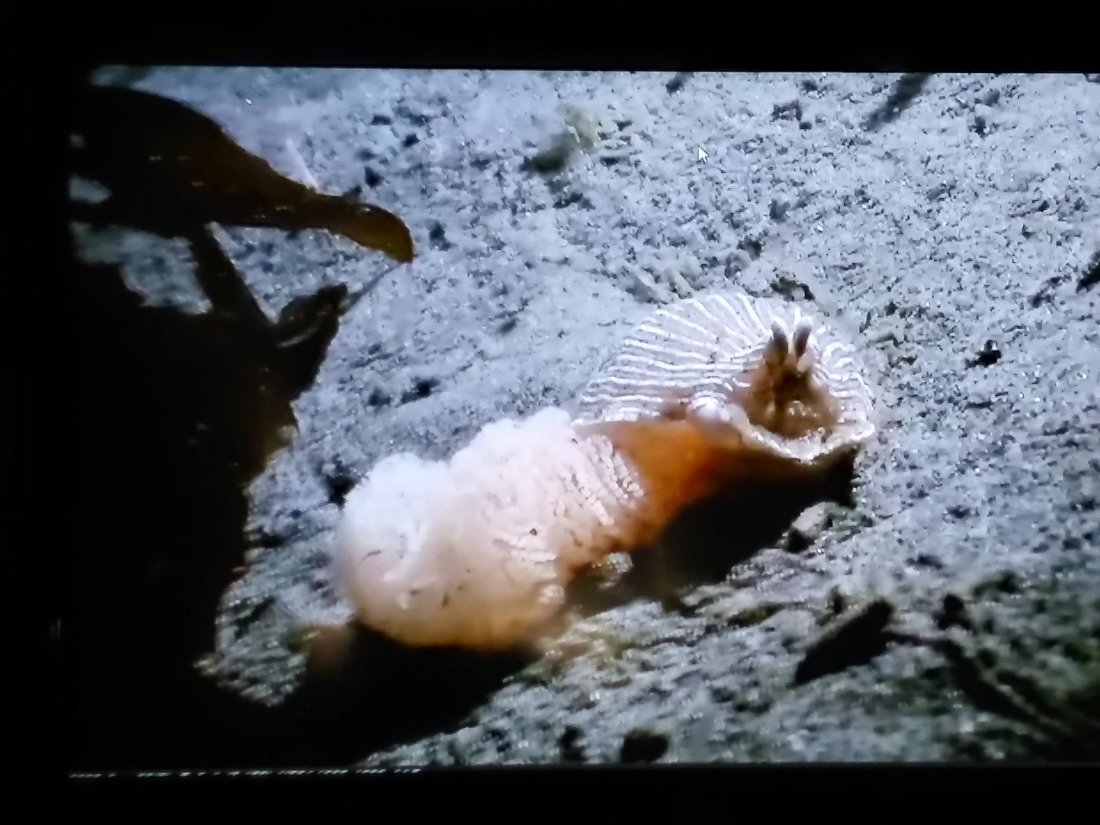
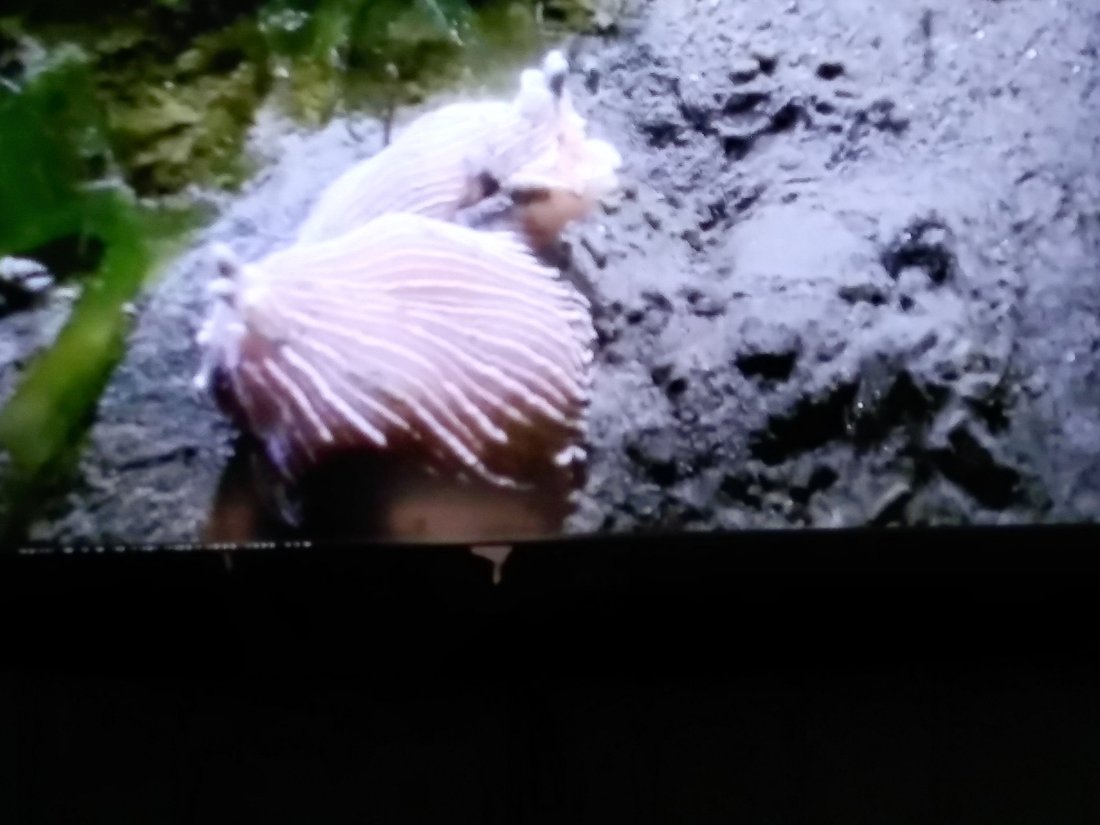
It was quite interesting seeing all of the critters in such a tight area. There was a lot of talk about the stress caused by Seattle’s pollution, but things seemed pretty vibrant from what it seemed in the video feed.
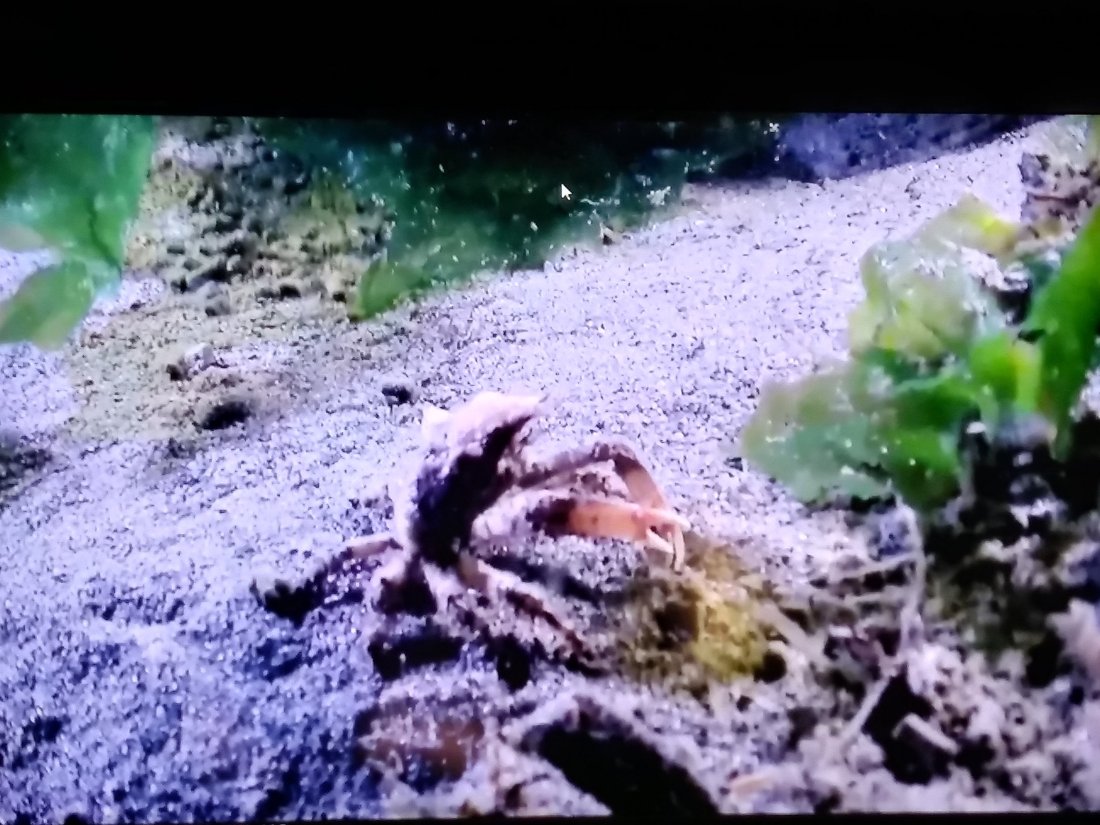
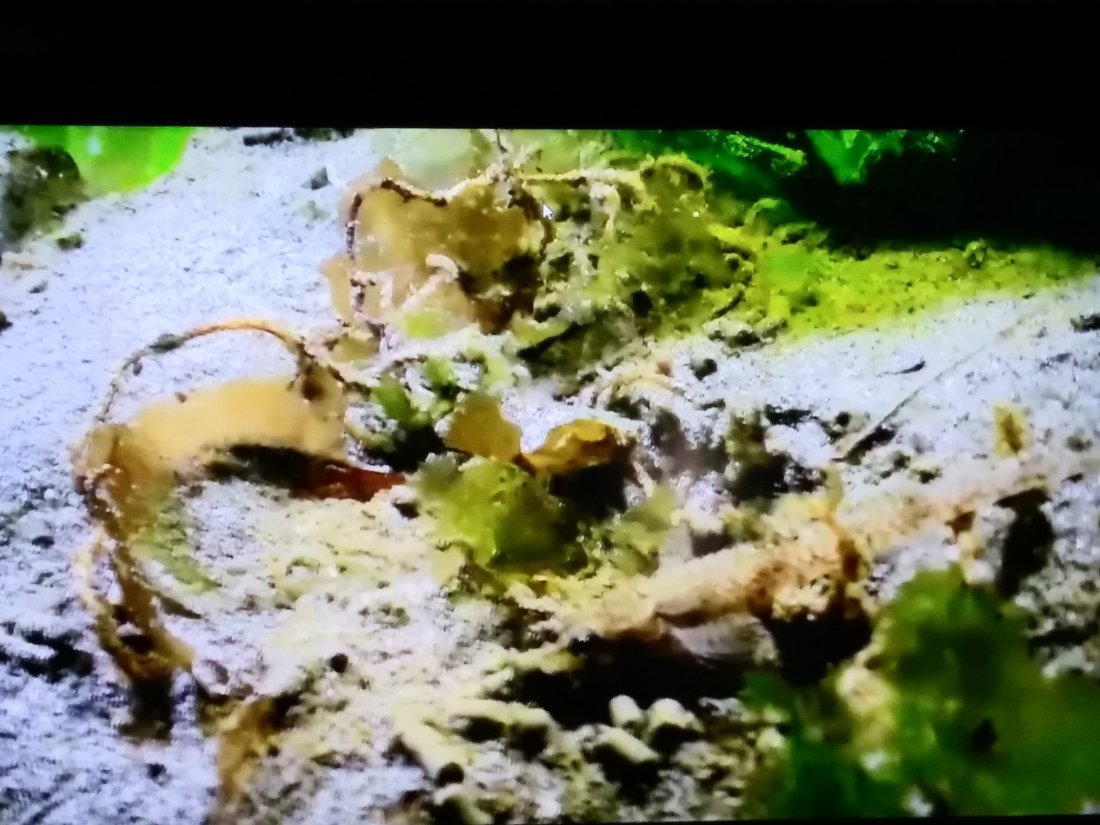
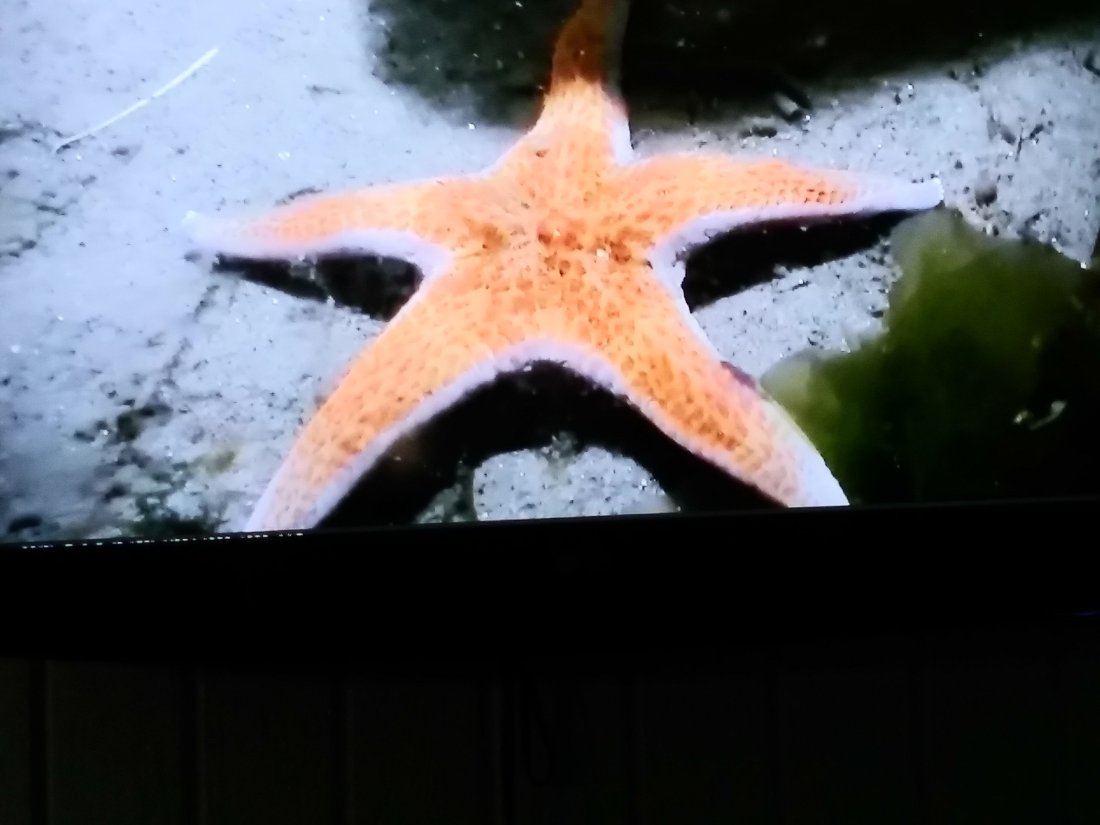
After the remote camera session ended, the students went back to hands on learning. They rotated the kids through several stations, grouped by animal types such as mollusks (clams, mussels, etc) , crustaceans (crabs and the like), echinoderms (urchins, sea cucumbers, etc). Most of the animals could be touched and handled byt he students, providing a great first-person opportunity to learn.
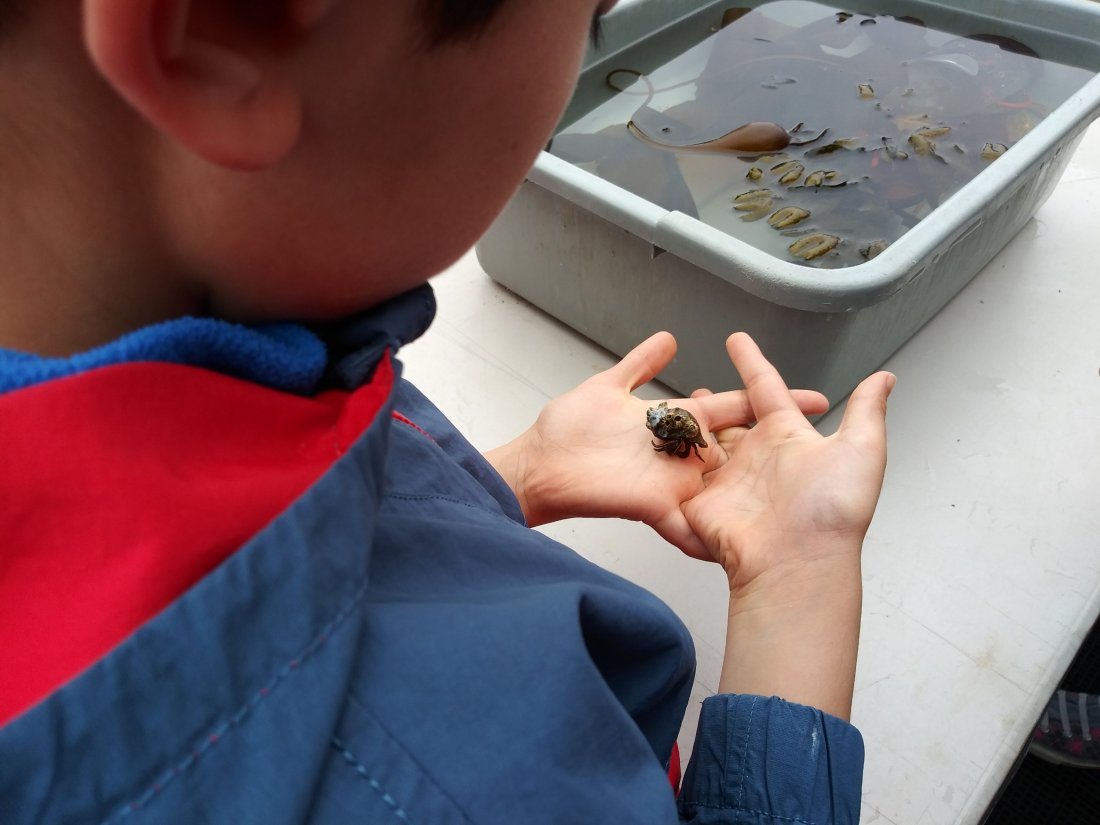
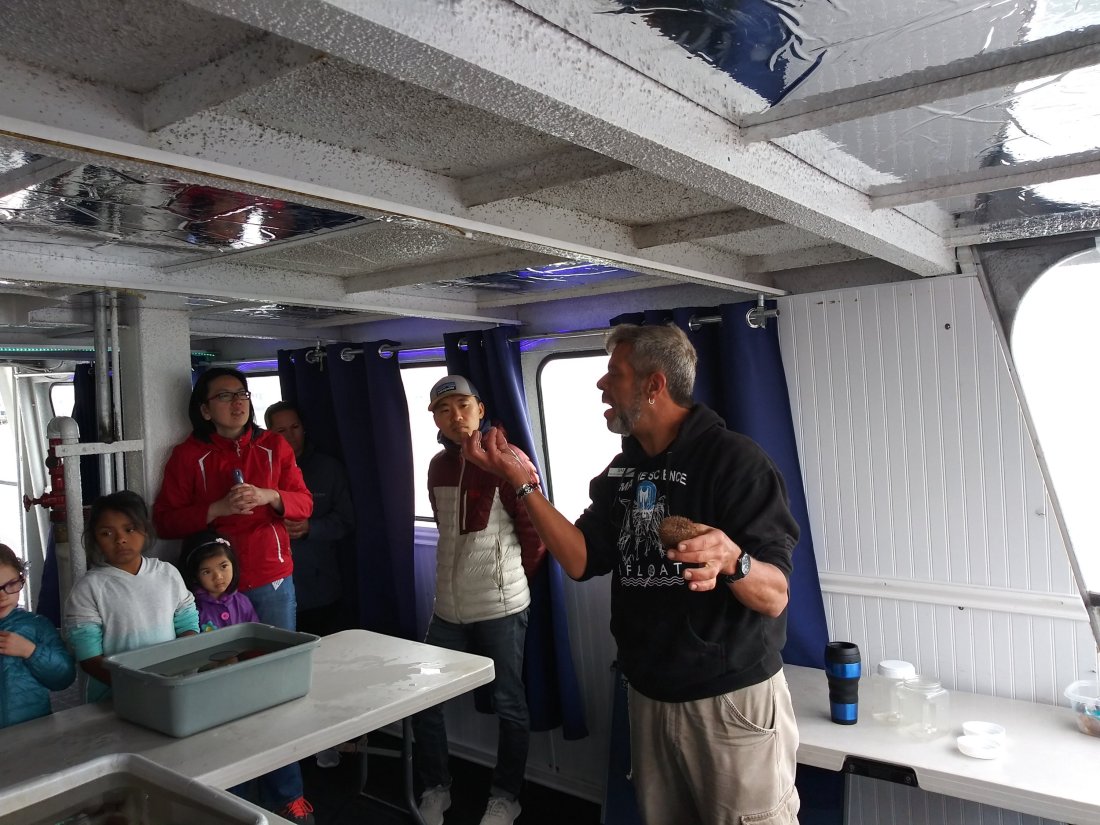
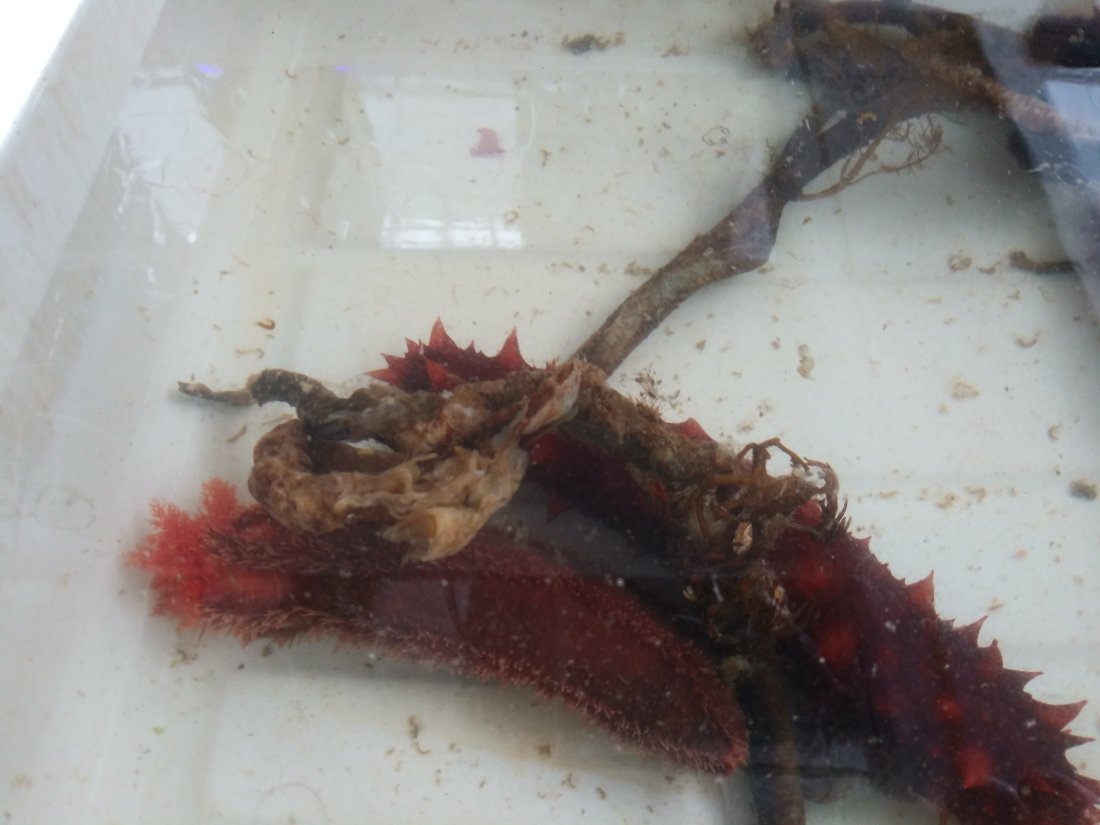
All of it was very well done, and it really seemed to hold the attention of the kids.
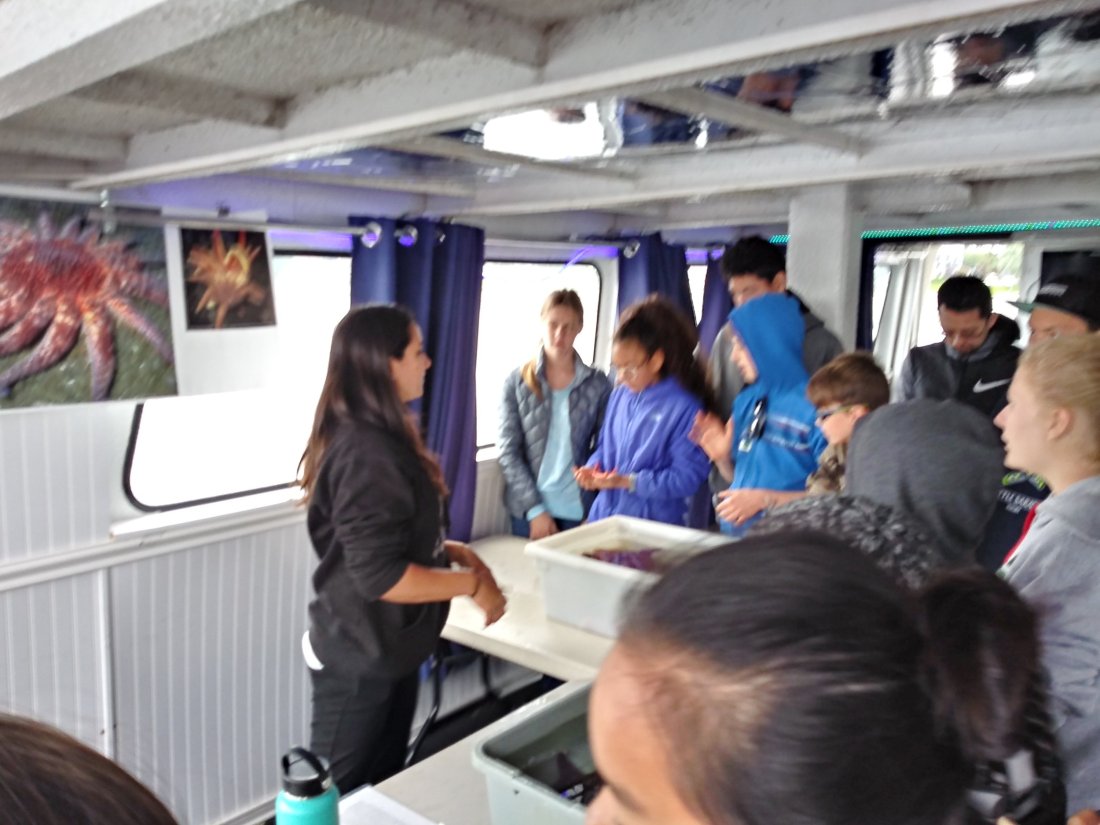
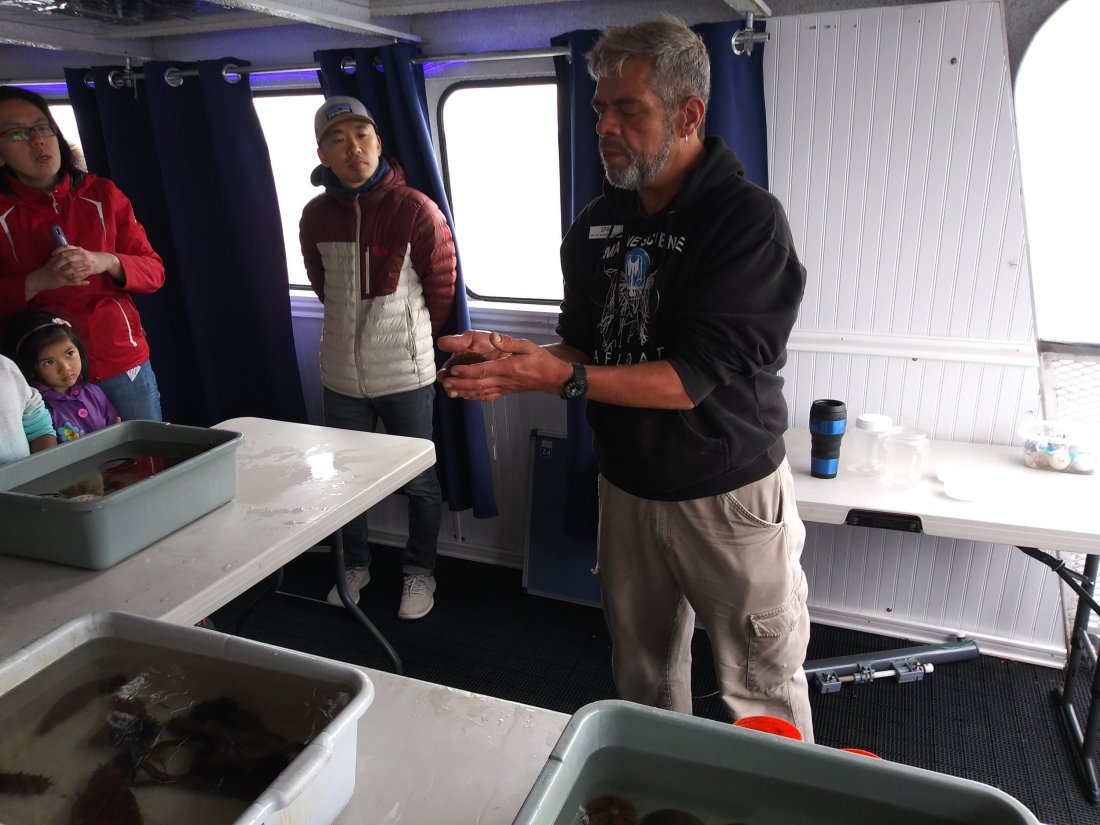
The day seemed to fly by! As with most things, it had to come to an end eventually. During the hands-on table rotations, the boat made its way slowly back to the marina.
 Our Northwest Family